
Most misunderstandings about extensions are settled in the first five minutes of a consultation, but only if the client hears them before she books. These seven points cover what a set can and cannot do, how it behaves over time, and which habits shorten its life. They are worth repeating at the front desk and in every first appointment.
>1. A set is not one size fits all
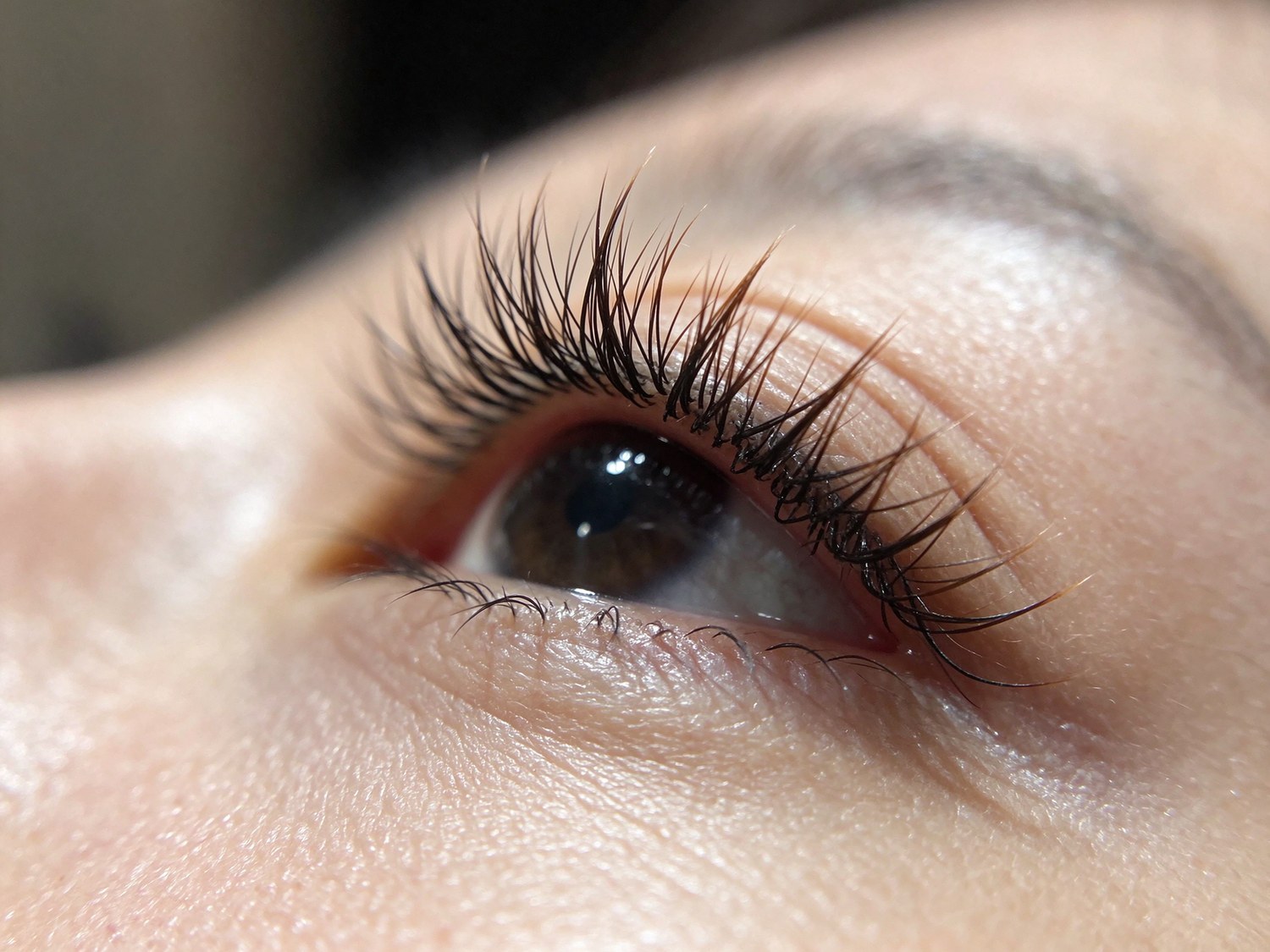
Every client arrives with a different natural lash: different length, density, curl pattern and strength. The correct extension for one client is too heavy for another and too light for a third. Length and diameter have to be selected against the natural lash, not against a photograph on the wall. Not everyone can or should wear the longest, thickest set, and a stylist who says so is protecting the client’s lashes rather than losing a sale.
2. A full set is not one length
The lash line tapers. Lashes are longest near the centre of the lid and shorter at the inner and outer corners, so a set built from a single length looks like a strip. Mapping that follows the natural taper reads as a lash line rather than a fan, and it is the difference most clients notice without being able to name it.
3. Natural lashes grow, stop and shed
Each natural lash has a growth cycle that ends in shedding and replacement, exactly like the hair on the head. An extension attached correctly grows out with the lash it sits on and leaves with it. That is the design, not a failure.
4. There is no fixed lifespan
Because shedding is staggered across the lash line, there is no single number of weeks a set “lasts”. A reasonable estimate is one to five natural lashes per day, some carrying extensions and some not. Refill appointments replace what has shed; they do not extend the life of what remains.
5. You should see the natural lash leave with the extension
When a client finds an extension on the pillow, the natural lash should be attached to it. If extensions come away alone, the bond was too weak or the aftercare instructions were not followed, and the application needs review rather than a stronger adhesive.
6. Makeup is fine, with the right formulation
Eyeshadow, liner and mascara can be worn over a set, but they must be compatible: oil-free, and removed with a cleanser that does not attack the adhesive. Conventional mascara builds a film across the fibres that cannot be fully cleaned out and shortens the set’s usable life. Powder applied with a brush near the lash line also settles into the bonds, so a light hand helps.
7. Removal is a professional job
Adhesive is formulated to hold until the natural lash sheds. Pulling, cutting or dissolving a set at home will take natural lashes with it, and cutting also leaves blunt tips that look nothing like a lash. If a client wants a set off early, book a removal: the remover is designed to break the bond without damaging the lash, and a proper removal also lets the stylist check for lashes that were stuck together.
How to use these seven points
Print them, put them in the consultation form, and say the two that matter most to each client out loud. A client who understands shedding will not accuse the studio of causing lash loss at week three. A client who understands removal will not arrive with a set half pulled out. Most of the complaints a lash business fields are not technical failures; they are expectations that were never set.