
Esthetics is often described as one job, but the licence opens several different working lives. Some spend the day at a lash bed, some in a treatment room, some beside a dermatologist. The training overlaps at the start and diverges quickly, so the choice is worth making deliberately rather than drifting into whichever salon hires first.
>Facialist
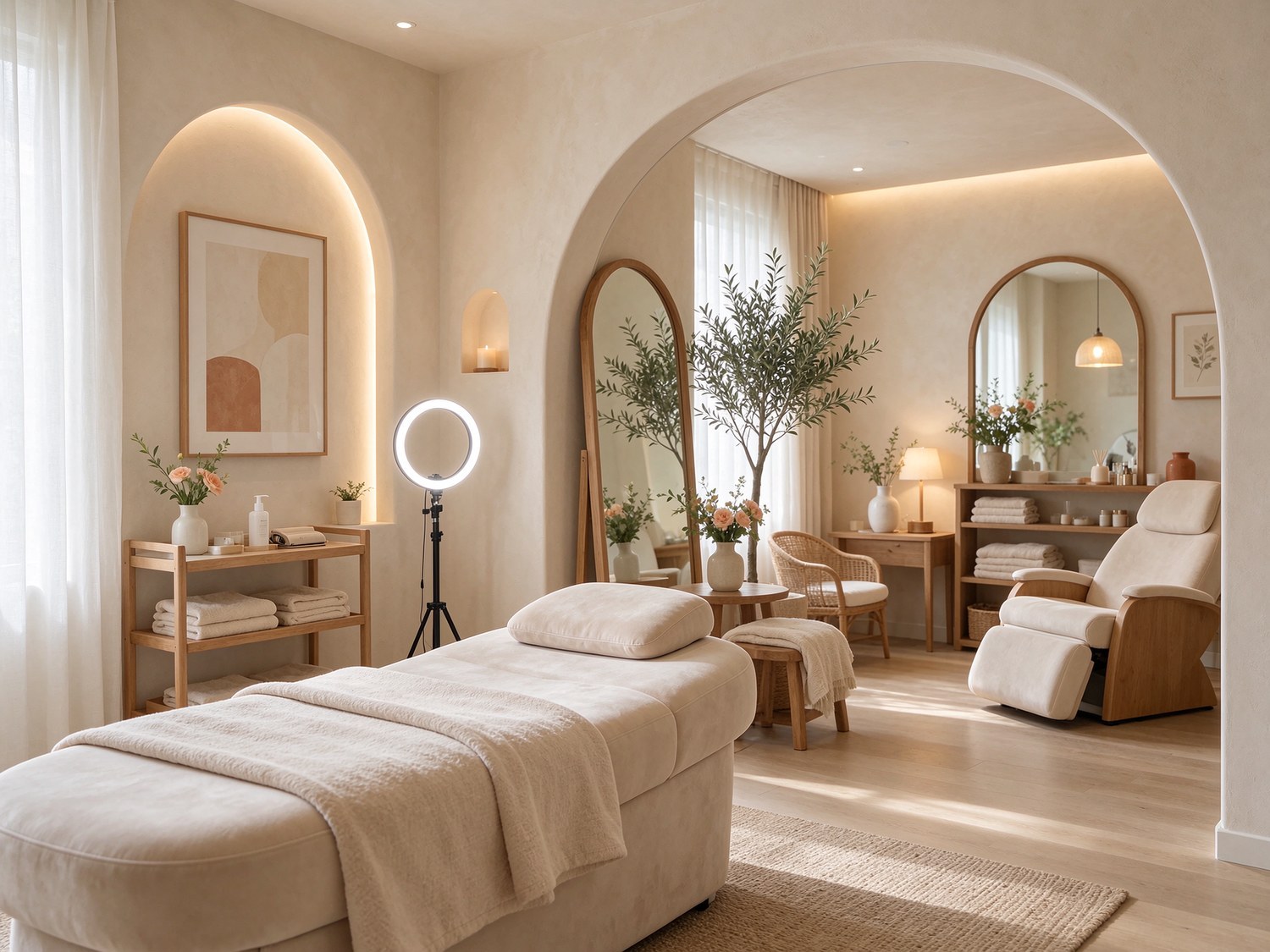
Facialists go deeper into skin than a standard facial: advanced massage, layered cleansing, exfoliation and product selection aimed at a specific concern. The work is consultative and repeat-driven, and it rewards a practitioner who enjoys diagnosing skin and adjusting a plan over months. It also carries the most product knowledge pressure, because clients expect a routine they can take home.
Lash stylist
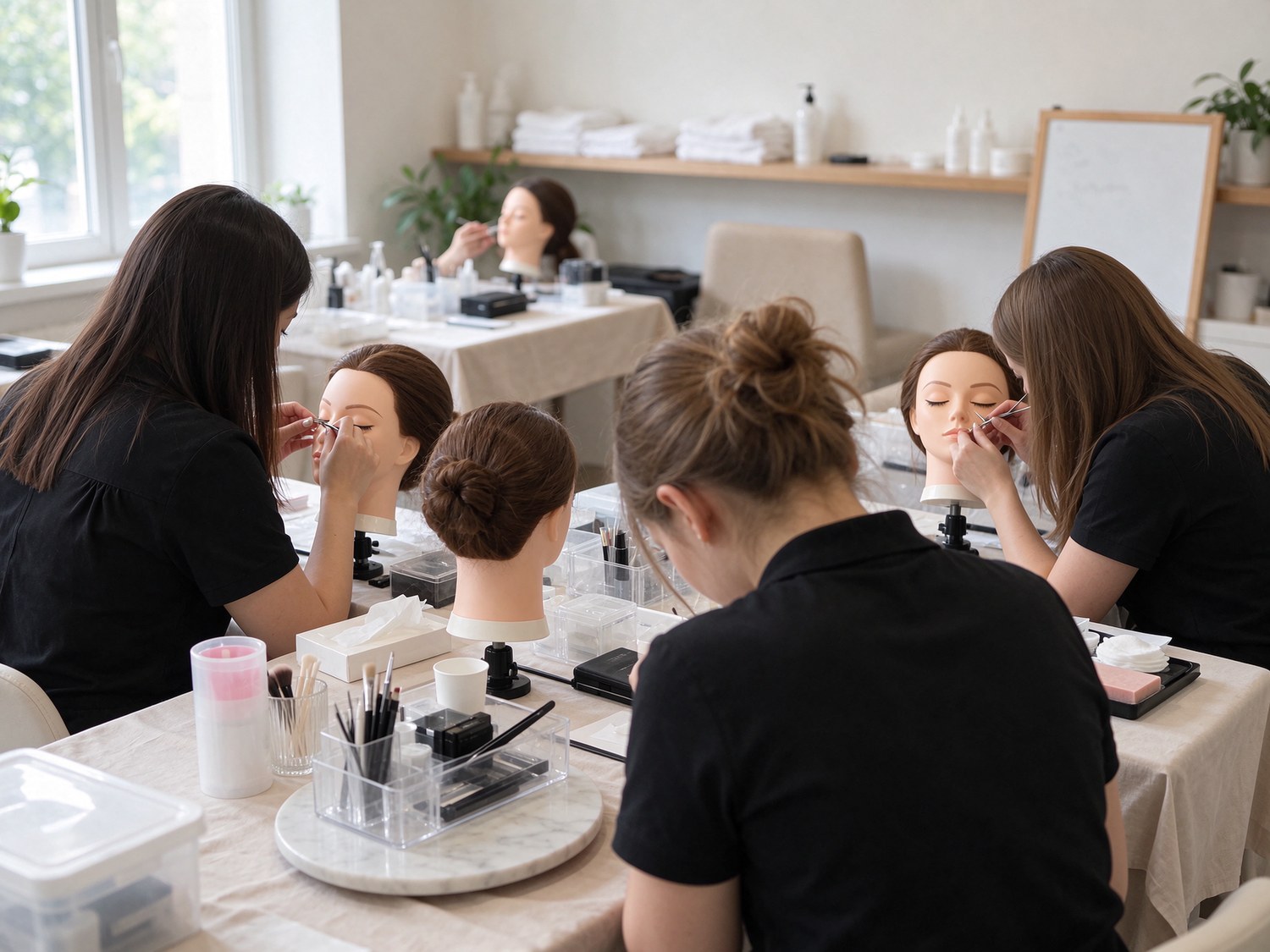
Lash stylists apply semi-permanent extensions and volume sets to natural lashes. After licensing, the path usually runs through a trainer-led program with live evaluation, where the focus is safe isolation, correct weight, and a set that suits the client’s own lashes. The craft is precise and quiet, the appointments are long, and the results are immediately visible, which suits people who like measurable outcomes. Some stylists work exclusively at the lash bed; others combine extensions with other salon services.
The business side matters as much as the technique. A stylist who maps well but cannot hold a schedule, or who does not explain shedding, will lose clients regardless of skill. Training that includes consultation and retention is worth more than training that only covers application.
Medical esthetician
Medical estheticians work alongside dermatologists and other clinicians, often delivering minimally invasive cosmetic treatments such as chemical peels and laser hair removal. Requirements vary by state, and the role splits between cosmetic work and clinical skin conditions such as scarring or infection. It is the most regulated path and the one with the clearest ceiling, but it also demands comfort with medical settings and documentation.
Spa therapist
Spa therapists deliver a wide range of services, from massage and aromatherapy to facials and body treatments. The appeal is variety: no single service dominates the day, and the environment is calm. The trade-off is that depth in any one modality develops more slowly, and the role often depends on the spa’s menu rather than the therapist’s specialty.
Waxing specialist
Waxing builds a client base on a short repeat cycle, since most clients return every few weeks. Specialists usually start across the body and later narrow to an area such as brows, legs or back. It is the most relationship-driven path, with predictable booking and a low material cost, and it suits someone who likes a fast, high-volume rhythm rather than long appointments.
How to decide
Three questions sort most of it. Do you want long appointments with one client, or short ones with many? Do you want to be known for a technique, or for the range of what you can do? And do you want to work inside a clinical team or run your own room? Answer those honestly, then book a training module in the two paths that fit and try them before committing to a full program.
Whichever path is chosen, the first year is about repetition and feedback, not certificates. The practitioners who build a book fastest are the ones who picked one discipline, practised it until the result was predictable, and then added a second.