
Most salons do not need a new service menu to earn more per appointment. They need two or three add-ons that genuinely complete the treatment the client already booked — and a way of offering them that does not feel like selling.
>Why add-ons work
Add-ons convert because they are not a new decision. The client has already chosen to be in the chair, already trusts the technician and already wants the best version of the result. A small upgrade that supports the main service feels like part of the plan, not an extra purchase.
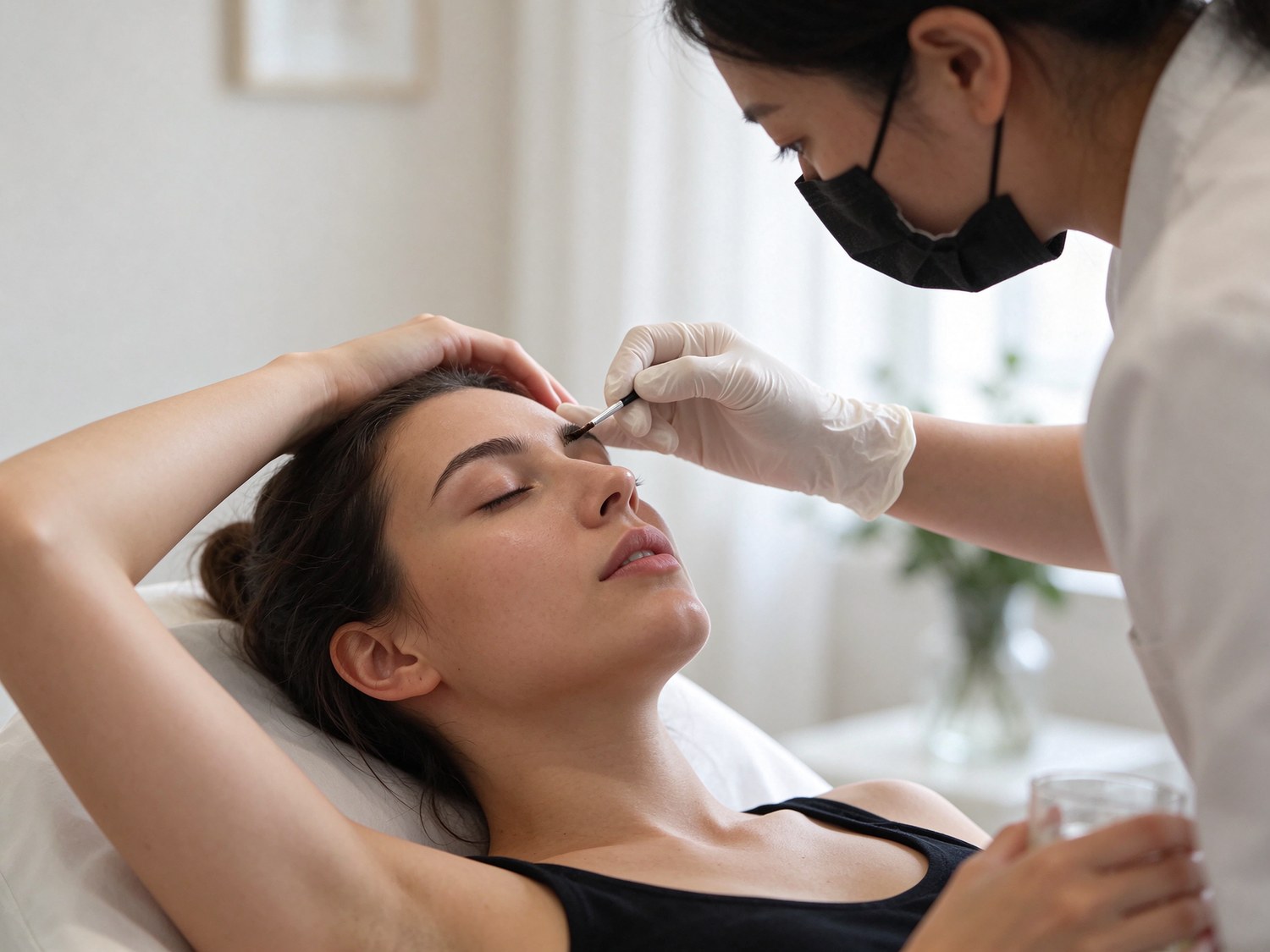
They also fit the way a treatment room actually works. A tint, a brow shape or an aftercare recommendation can add value in a few minutes, without a new appointment block. That is the opposite of adding a whole service to the menu, which needs marketing, training and diary space.
Six add-ons worth having
- Lash tint. The single most natural pairing with a lift or a set for clients with lighter lashes — it deepens colour and makes the result read as defined rather than just curled.
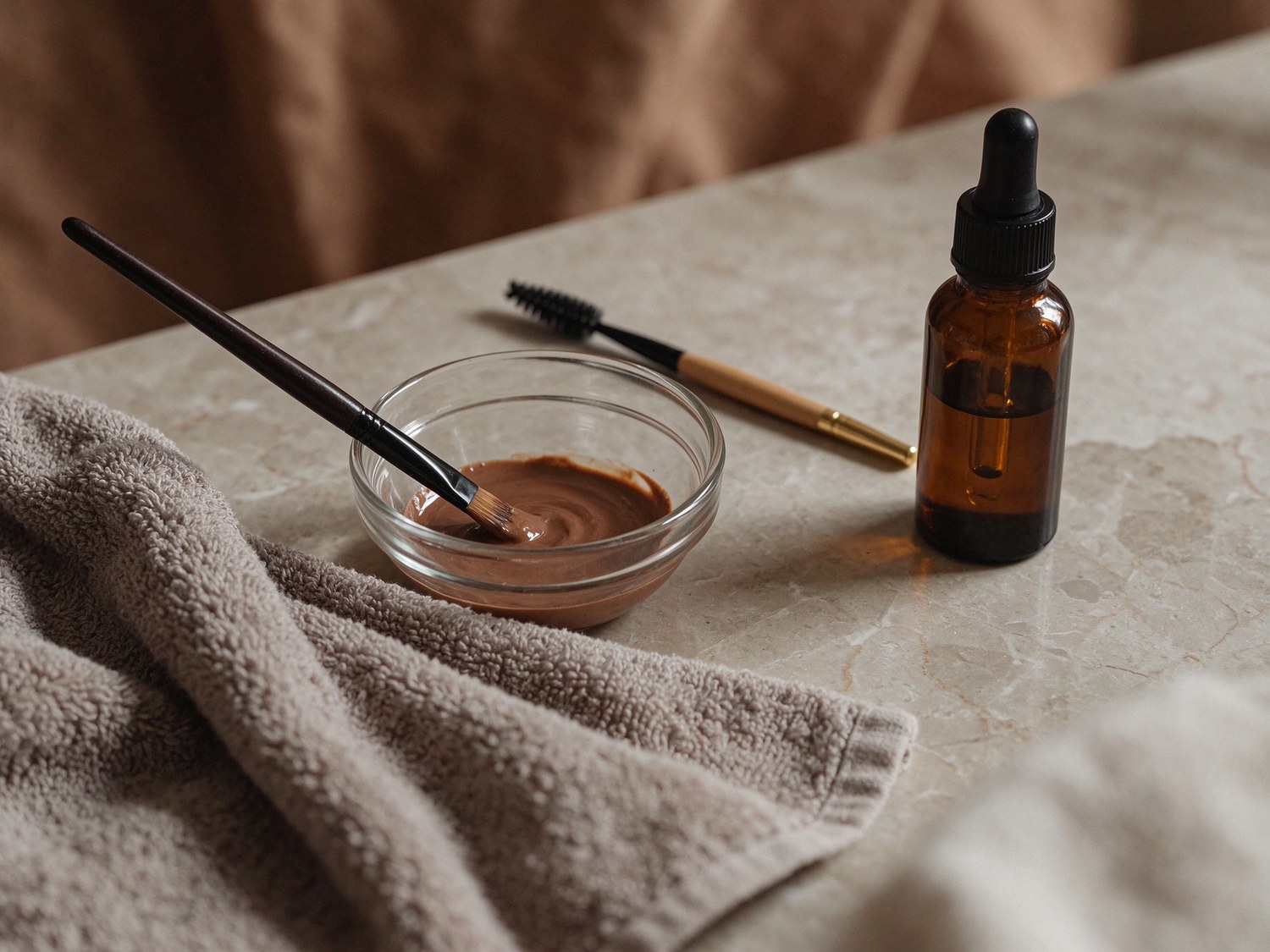
- Brow tint. Fills the look out for clients whose brows are sparse or light, and photographs well, which matters for clients who book before events.
- Brow shaping before lamination. Removing stray hairs first means the lamination is designed on a clean shape rather than working around it.
- Nourishing aftercare. Small, consumable, used daily, and the only add-on that protects every future appointment.
- A short consultation upgrade. Ten minutes of mapping and planning for a client who is unsure what suits them — cheap to deliver, and it converts into a bigger booking.
- Removal. Not glamorous, but a legitimate paid service that protects the natural lashes and brings the client back into your chair.
The best add-ons are the ones that already belong to the service you are doing. If it needs a separate explanation about why it exists, it is probably a new service, not an add-on.
Pricing that stays accessible and still pays
Add-ons should feel easy to accept without becoming a permanent discount. Two rules keep the maths honest:
- Price the time, not the product. A tint costs fifteen minutes of your appointment plus materials; the price should reflect the time and the skill, not just the sachet.
- Bundle where the work overlaps. Lift plus tint in one appointment takes less total time than two separate visits, so a bundle price can be attractive to the client and still hold your hourly rate.
Watch the diary when you add anything. An add-on that pushes a ninety-minute service into two hours without adjusting the price has quietly cut your earnings. Either book the longer slot from the start or keep the add-on genuinely quick.
Pairing logic clients understand
Pairings work when the reason is obvious in one sentence:
- Lift + tint — the curl is the shape, the tint is the definition.
- Lamination + tint + conditioning — the shape, the colour, and the aftercare that keeps both looking right.
- Extensions + aftercare cleanser — the set lasts longer when it is cleansed properly.
- Brow shaping + lamination — a clean outline before the hairs are redirected.
Train the team to explain the pairing in plain language, without product jargon. If the explanation takes longer than the service, it is the wrong explanation.
Make them visible before the appointment
Add-ons need to exist outside your head. Put them on the booking page as optional extras, on the printed menu as short lines rather than a paragraph, and on the counter as products a client can see and touch.
Visibility does more work than persuasion. A client who saw “lash tint” while booking will often ask about it on arrival; a client who only hears the offer mid-appointment has to decide under pressure, and most people decline under pressure.
The sentence that does the selling
Offering an add-on is a diagnostic statement, not a sales pitch. Match it to what you can actually see:
- “Your lashes are quite light at the tips, so a tint would make the curl much more visible.”
- “You have a few gaps at the tail, so shaping before we laminate would give us a cleaner outline.”
- “Your set is in great condition — a proper cleanser at home would keep it that way between visits.”
Each offer points at a real observation. If you cannot see the reason, do not offer the add-on; an offer that does not match the client’s lashes teaches her that your recommendations are random.
Build it slowly
Start with one add-on, run it for a month, and measure two things: how many clients accepted it, and whether the appointments still finished on time. Add a second only when the first is routine. The goal is not a long list of extras; it is a menu where every option has an obvious reason to exist and a price that respects the time it takes.