
You build a clean, feathery fan, dip the base, bring it to the natural lash, and by the time it lands it has folded into a spike. Every volume artist knows the feeling, and almost every case traces back to one of a handful of causes.
The useful question is not “why do my fans close?” but “at what moment do they close?” The timing tells you which variable to change.
The nine usual suspects
- Adhesive cures too slowly for your working speed
- Too much adhesive on the base
- Adhesive travelling up the fan
- Slow placement after the dip
- Releasing the fan too early
- Tweezers without enough grip
- Humidity outside the working range
- The natural lash moving during placement
- A glue drop that has been sitting out too long
1. Adhesive that is too slow
Volume work needs a fast adhesive. If the glue is still wet when you release the fan, the fan can rotate or collapse before the bond sets. This is especially true for handmade fans, where the whole sequence has to happen in a few seconds.
If fans close after placement, the fix is usually a faster adhesive rather than a new fan technique. Match cure speed to your hands, then leave the technique alone.
2. Too much adhesive
The most common cause by far. A large bead travels up the stem, spreads between the lashes and pulls them together.
Dip only the base, roughly 1mm to 1.5mm. When you lift the fan out, you should see a small, neat bead, not a blob. If you over-dipped, tap the base lightly against the edge of the glue holder to shed the excess before you place.
3. Adhesive climbing the fan
Thin adhesives climb faster than thick ones. With a low-viscosity glue, dip shallower and keep the bead tight. With a thicker glue you can carry slightly more, but the rule stays the same: nothing above the base.
Dip quickly. A slow, lingering dip collects adhesive around the base and gives it time to spread.
4. Slow placement
Once the fan touches the glue, the clock starts. Don’t hunt for the perfect natural lash afterwards.
The sequence should be: build the fan, dip the base, shed any excess, isolate and place, hold. Every second spent between the dip and the isolation is a second the adhesive spends curing in the air instead of on the lash.
5. Letting go too early
Placing is half the job; holding is the other half. If you release before the bond has set, the fan shifts or folds.
Around two seconds is a reasonable default, adjusted for cure speed: less for a fast glue, more for a slow one. The test is simple, the fan should feel locked in place before you open the tweezers.
6. Tweezers with poor grip
If fans collapse before they even reach the glue, the problem may be upstream of the adhesive. Tweezers without a proper grip zone force you to squeeze harder, which distorts the fan and makes placement unpredictable.
Check whether your hand is doing extra work to keep hold of the fan. If it is, the tweezers are the weak link.
7. Humidity out of range
Adhesive is humidity-sensitive. Outside the recommended range, cure speed changes and fans can close during application.
Aim for roughly 40-60% unless your adhesive specifies otherwise, and keep a hygrometer on the trolley. When one day behaves perfectly and the next does not, read the gauge before you blame your hands.
8. A tired glue drop
A glue drop sits in open air for the whole appointment and its behaviour drifts as it thickens. If the drop turns stringy, slow or simply different, replace it. Working around a tired drop costs more time than changing it.
9. A moving natural lash
Sometimes the technique is fine and the lash moves. Control the natural lash properly, and do not release until the adhesive has had time to hold it.
If a fan has already closed
Don’t force it open once it is attached. A rescued fan usually ends up with an uneven base, which shows in the finished set and puts unnecessary stress on the natural lash. Remove it and place a fresh one.
Before the client leaves, scan the finished set and gently separate any fan that has drifted shut but still has a clean base. Replace anything with a compromised base.
The three-second diagnosis
- Closes the moment it touches the glue: adhesive amount, dip depth or glue speed.
- Closes while you are placing it: placement speed and isolation control.
- Moves after placement: hold time and natural lash movement.
Fix one variable at a time and the pattern becomes obvious within a few clients.
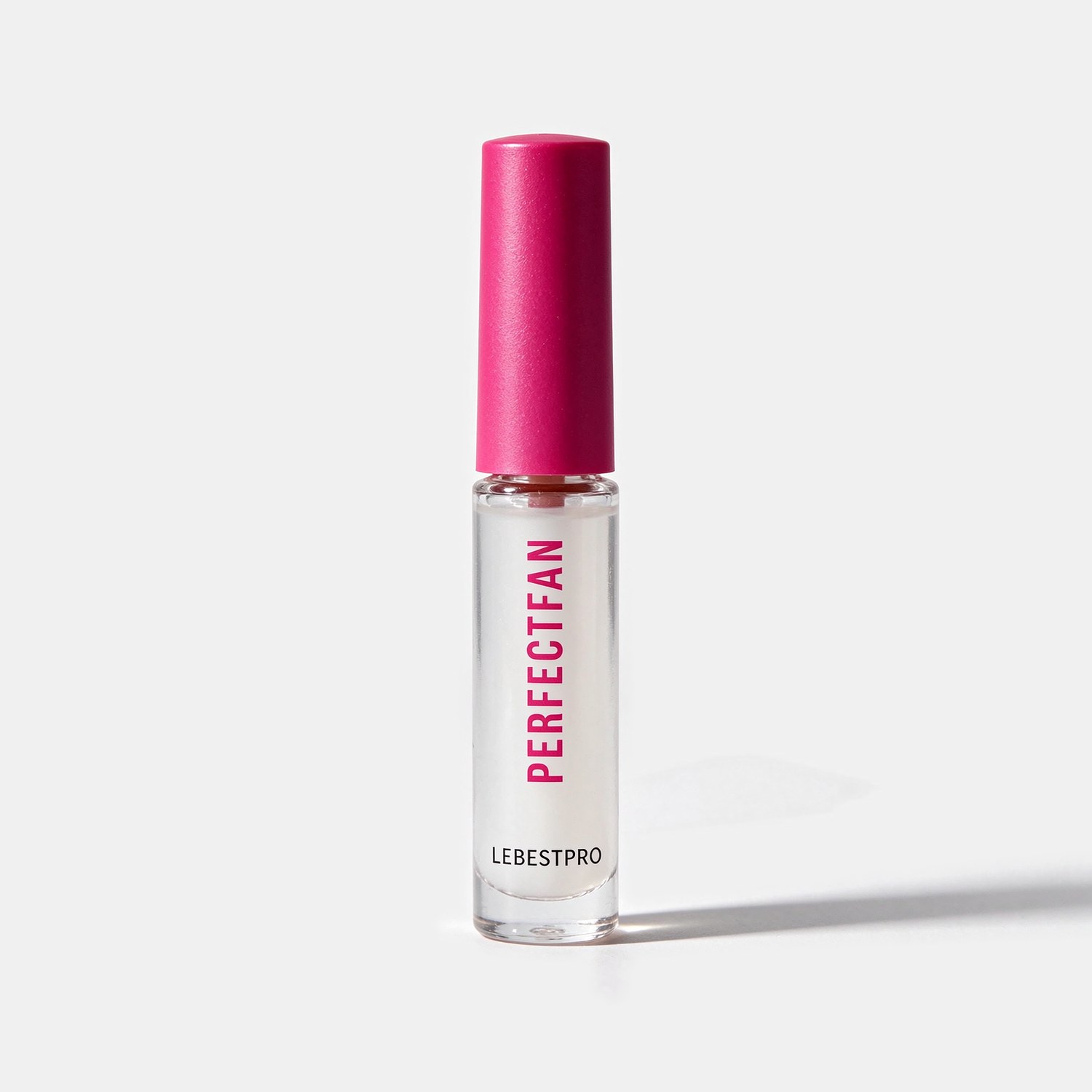
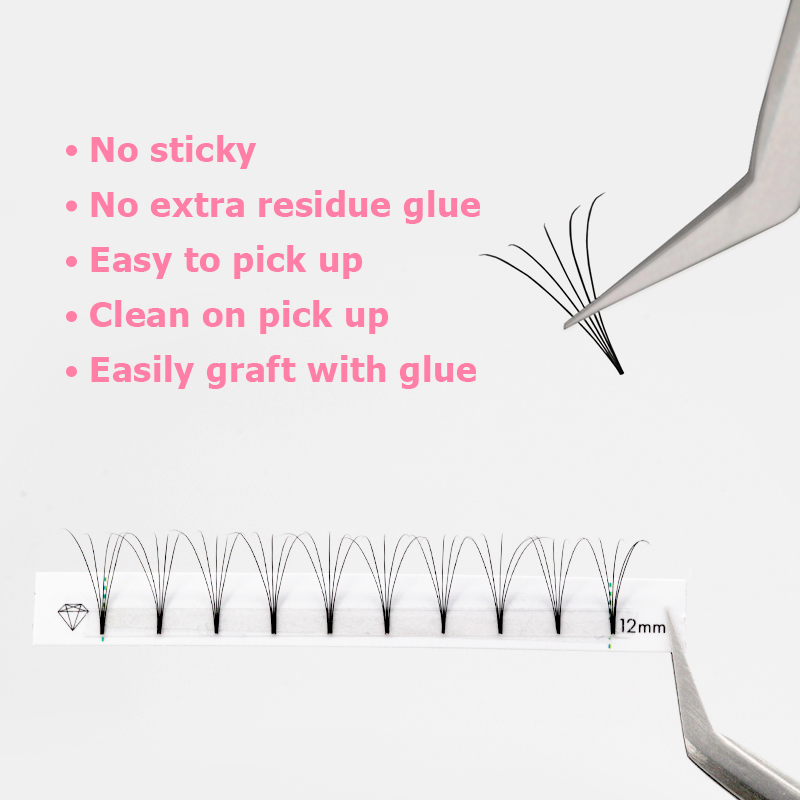
Tools help here without replacing technique. A fan-protecting liquid applied to the strip base keeps adhesive from creeping upward, which is often the difference between fans that stay open and fans that fold. LebestPro supplies volume adhesives, fan liquids and precision tweezers for artists who want their fans to behave the same way on a busy Saturday as they do in practice.