
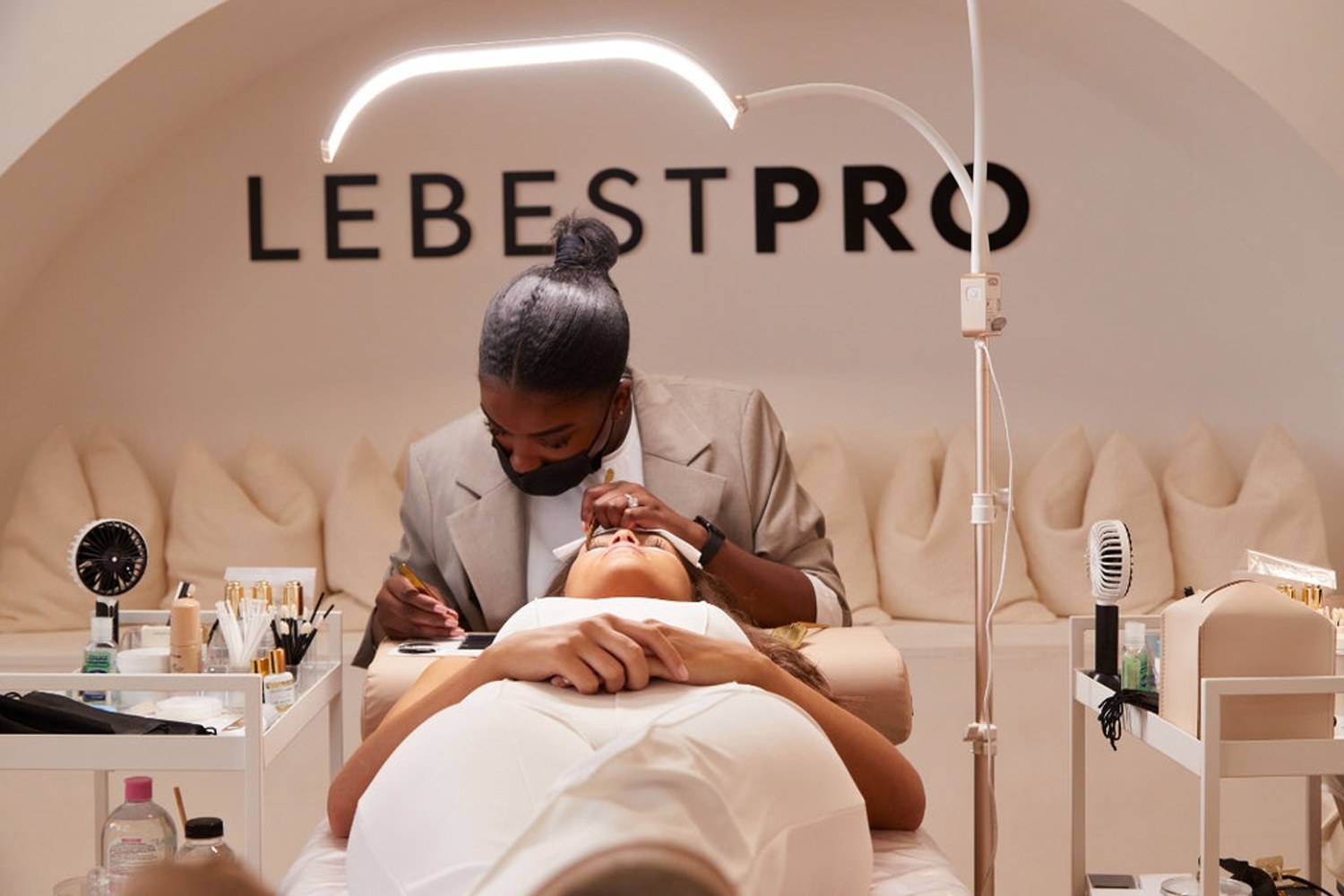
Lash artists collect plenty of figurative headaches: late cancellations, a client arriving with a full face of makeup, the one product you assumed you had. A real, physical headache on top of that is the last thing the day needs.
If you regularly get headaches while applying extensions, the usual suspects are adhesive fumes, eye strain, muscle tension and dehydration. Four parts of the working day are worth reviewing, although these are not the only possible causes, and a recurring headache should never simply be accepted as part of the job.
>One: adhesive fumes
Lash adhesive gives off vapour. Exposure may contribute to irritation or headaches, so it is worth reviewing how you handle the glue and how your room is ventilated.
Start with temperature and humidity against the adhesive’s recommended working range. Glue is sensitive to its environment, and low humidity slows curing, but adjusting humidity alone does not reduce your exposure to fumes.
Then look at where the glue sits. A jade stone can keep the drop further from your nose and mouth than a ring held close to the face. Having product within reach is genuinely useful, but avoid leaning directly over the drop, follow the manufacturer’s handling instructions and do not leave used drops exposed longer than necessary.
Finally, review ventilation. If windows cannot be opened, or opening them destabilises your room conditions, do not rely on a small fan. A circulating fan moves air but does not remove vapour from the room, and it should never replace proper ventilation. Never direct airflow toward yourself, your client or a neighbouring station.
Check the safety data sheet for handling and ventilation requirements. If symptoms keep developing while you work with adhesive, stop, move away from the exposure and seek medical and workplace safety advice before continuing.
Two: lighting and eye strain
Applying lashes is close, detailed work, and poor visibility makes precision harder. Prolonged close-up focus is a common route to eye strain and headache.
Good task lighting lets you see fine detail without leaning in, and adjustable lamps let you place light where it is needed and dial the brightness to a comfortable level. Aim for clear, even illumination rather than maximum brightness, and avoid glare or light shining into your eyes.
Give your eyes regular breaks from close work when it is safe, including a few moments looking into the distance between clients. If headaches, blurred vision or difficulty focusing persist, book an eye examination rather than assuming a new lamp will fix it.
Three: posture and muscle tension
Neck and shoulder tension is often overlooked as a headache trigger. Two things to review are your working position and whether you move at all between clients.
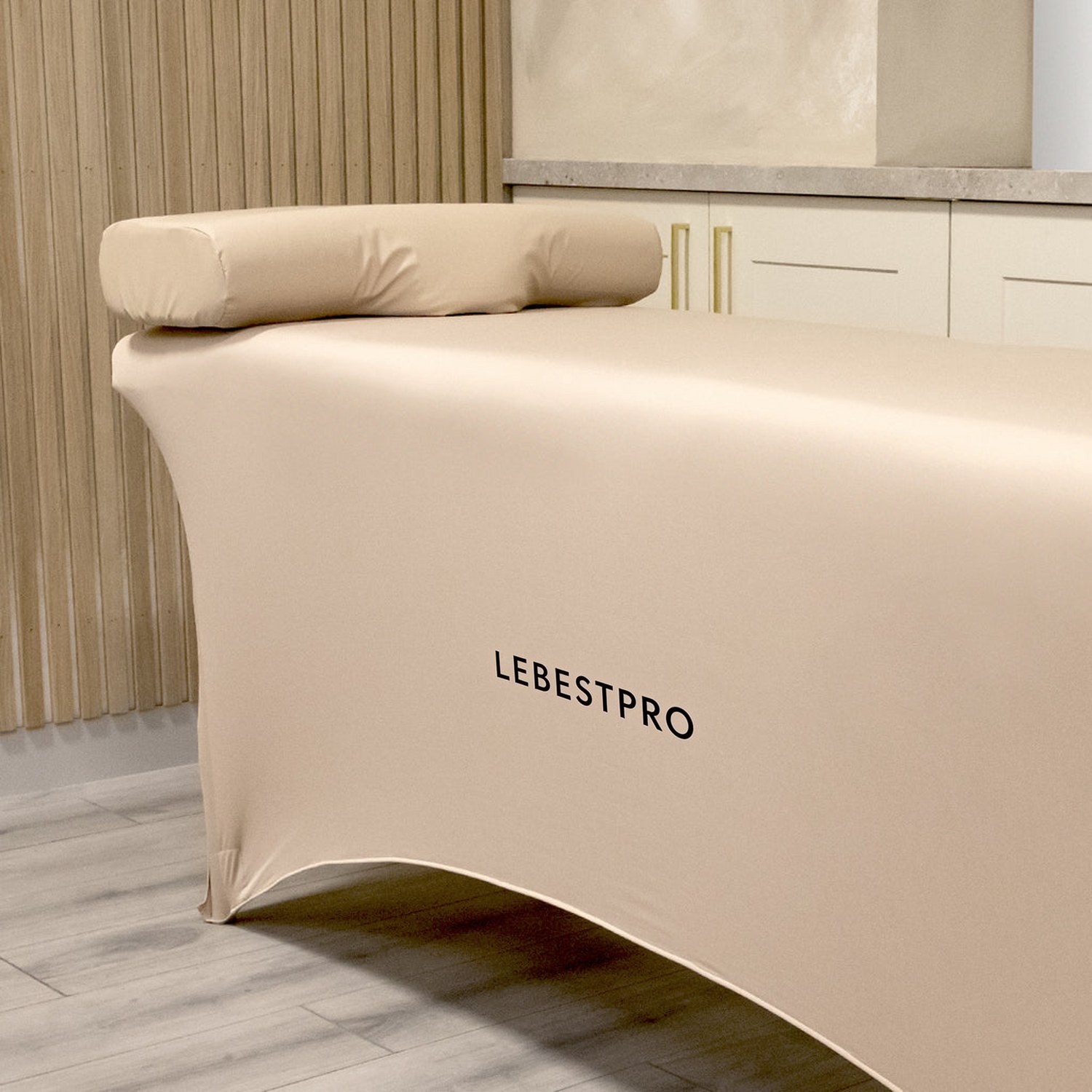
When setting up your station, think about adjustability, legroom and the client’s position. An adjustable chair and a height-adjustable bed help you find a position that does not require repeated reaching or leaning. A lash pillow supports the client’s head, but check that its height works for both of you.
If you use a bed cover, choose one with a cutout where your legs go so you can sit close without twisting. Keep your shoulders relaxed and your feet supported, and adjust the bed or chair the moment you notice yourself hunching.
Even a comfortable position becomes tiring when held for a long time. Straighten up, change position and move gently between appointments. Persistent neck pain or headaches should be assessed rather than managed only with stretching.
Four: hydration
Dehydration contributes to headaches and fatigue, and a packed diary makes it easy to forget to drink. Keep water in a designated clean area away from adhesives and treatment products, preferably in a closed bottle, and build real breaks for drinks and food into the day. Hydration is a useful habit, but it will not fix every cause.
Questions artists ask
Why do I get headaches while lashing? Fumes, prolonged close-up work, posture and dehydration are all possible contributors. Note when symptoms start and whether they improve away from work, and review your ventilation, lighting and workstation. That pattern is useful information for a healthcare professional, but it does not confirm a cause on its own.
Can adhesive fumes cause headaches? They may contribute to headaches or irritation in some people. Follow the safety data sheet and review ventilation; a fan or a different glue holder does not guarantee that exposure is adequately controlled.
What if a client gets a headache after a set? Do not assume the extensions or the adhesive are responsible. Seek medical advice if the headache persists, worsens, or comes with eye pain, redness or changes in vision.
When to get help
Small changes to your routine may reduce some triggers, but frequent headaches are not something to push through. Speak to a healthcare professional if they keep returning, become more severe or interfere with work. Seek emergency care for a sudden, extremely severe headache, or one accompanied by weakness, confusion, difficulty speaking or loss of vision.
Your salon setup should support your comfort as much as it supports beautiful sets. Review it, build breaks into the diary and get recurring symptoms checked. Looking after yourself belongs in the appointment schedule too.