
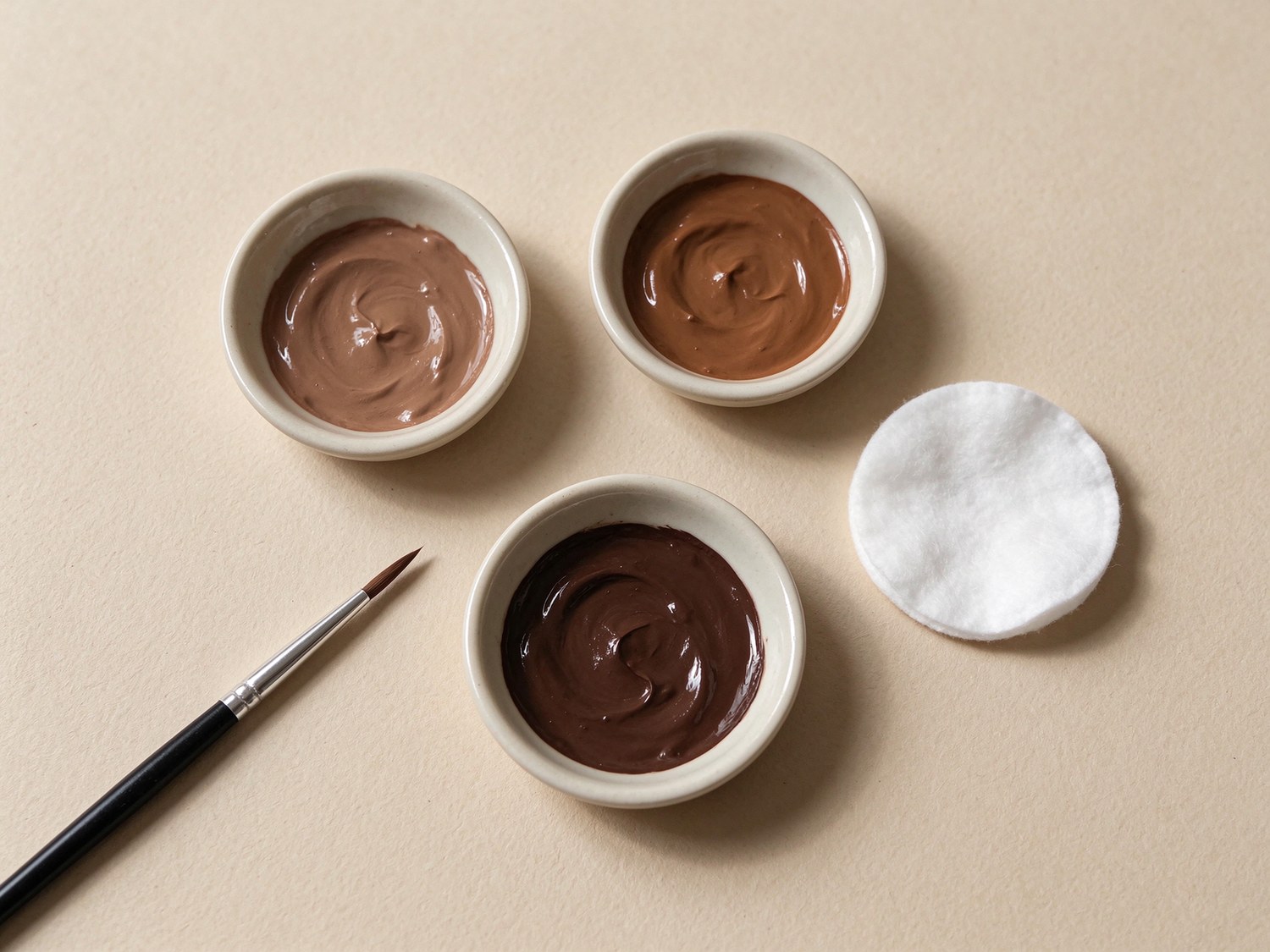
Colour is where a tint service becomes bespoke. Two clients with similar hair can need completely different shades because skin tone, brow density and personal preference all pull the result in different directions. A tint range that mixes cleanly turns that from a problem into the most interesting part of the appointment.
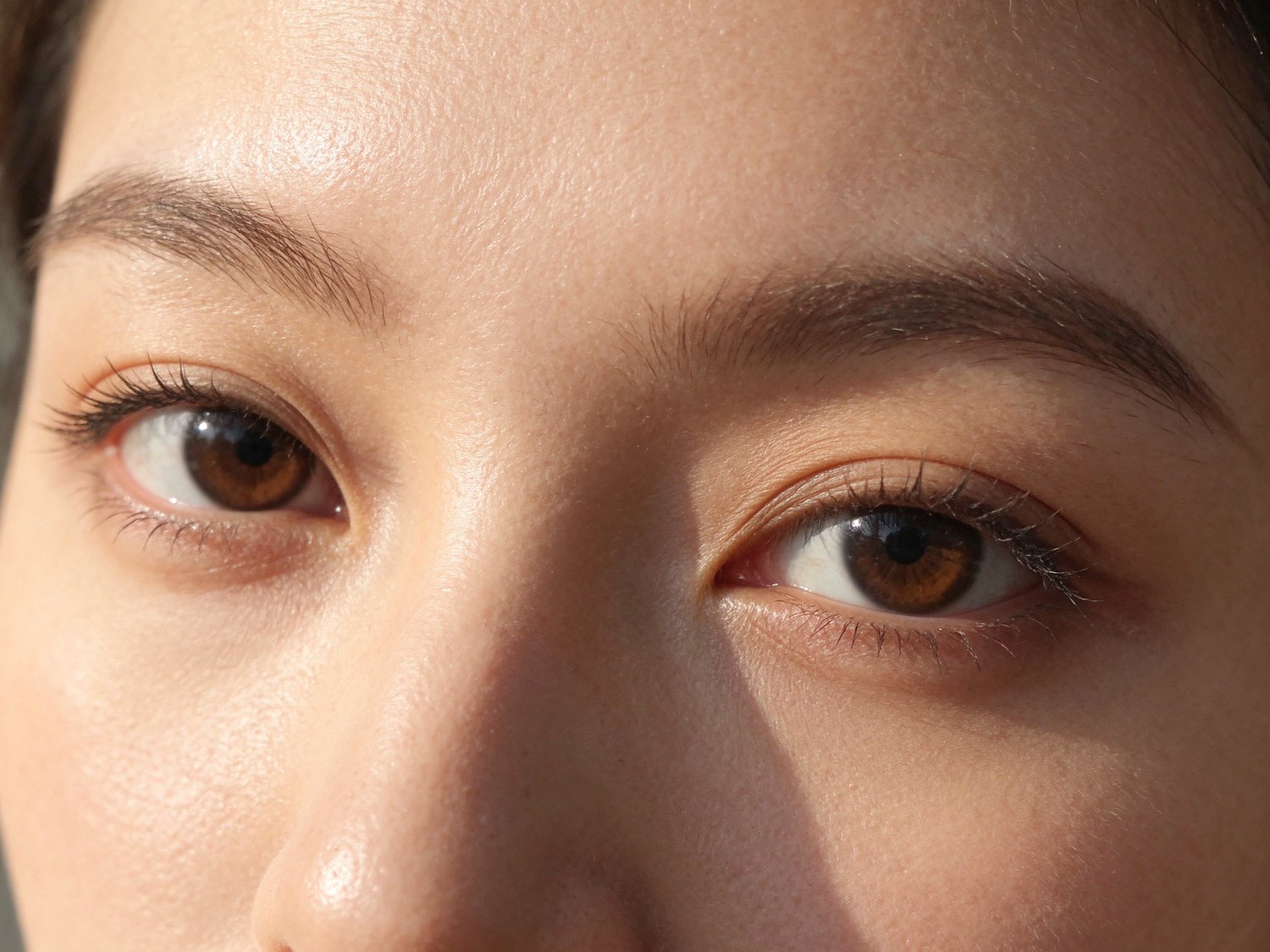
>How the service works
A professional lash and brow tint is mixed with a developer at a 1:1 ratio — equal amounts of each — and stirred to a smooth, creamy consistency with no lumps. Creamy matters: a thin mix runs, a lumpy one applies unevenly and develops patchily.
Processing time depends on whether the tint is combined with another chemical service:
- 5 to 7 minutes when applied alongside a lash lift or brow lamination
- 8 to 10 minutes when used on its own
Remove with damp cotton pads, working gently along the hair direction rather than scrubbing. Cleanse the area thoroughly first and make sure it is completely dry before application; residue and moisture both interfere with an even result. A barrier balm around the brows, applied after cleansing, limits staining on the skin.
Mixing for real clients
The point of a mixable range is that the shade is chosen for a person, not for a shelf. Four starting points cover most consultations.
Warm brunette. A dark brown with a small amount of auburn creates warmth and dimension that matches warmer hair. Too much auburn and the result goes copper; add it in small increments.
Blonde clients. A light brown alone gives subtle enhancement. Mixed with a medium brown it gains depth while staying natural — useful for clients who want definition without suddenly looking as if they have dark brows.
Dark hair. A deep black gives maximum definition, and can be softened with brown for clients who want depth rather than a graphic line. On very dark hair, a pure black brow can look flat in daylight; a black-brown blend reads richer.
Mature clients. Lighter tones avoid an overly strong result while still adding shape. As brow hair thins, contrast becomes more noticeable, so a shade one step lighter than the hair often looks more balanced than a match.
What to look at before choosing a shade
- Natural hair colour, including any grey
- Skin tone and undertone — warm, cool or neutral
- Existing brow density and the amount of visible skin between hairs
- Lash colour and whether the client wears mascara
- The client’s own preference and how bold they want to look at work
Hold the shade against the brow in daylight rather than under the treatment lamp. Warm salon lighting flatters every colour and hides the difference between a warm and a cool brown.
Practical notes for lash tints
Lash tinting is less about shade-matching than brow work, because the result is read at a distance. The useful decisions are how dark to go and whether to keep the tint within the client’s natural depth or push it a step darker for definition. Clients with pale tips gain the most; clients who already have dark lashes gain very little and should be told so.
Patch test where sensitivity is a possibility, and never tint over irritated skin or lashes. Colour is the visible part of the service; the screening is what makes it safe.
Keep a record
Write the formula down — shades, ratio and processing time — for every client. A tint that worked is worth repeating exactly, and a mix that came out too warm is worth not repeating. The consultation card is the most useful colour tool in the salon.