
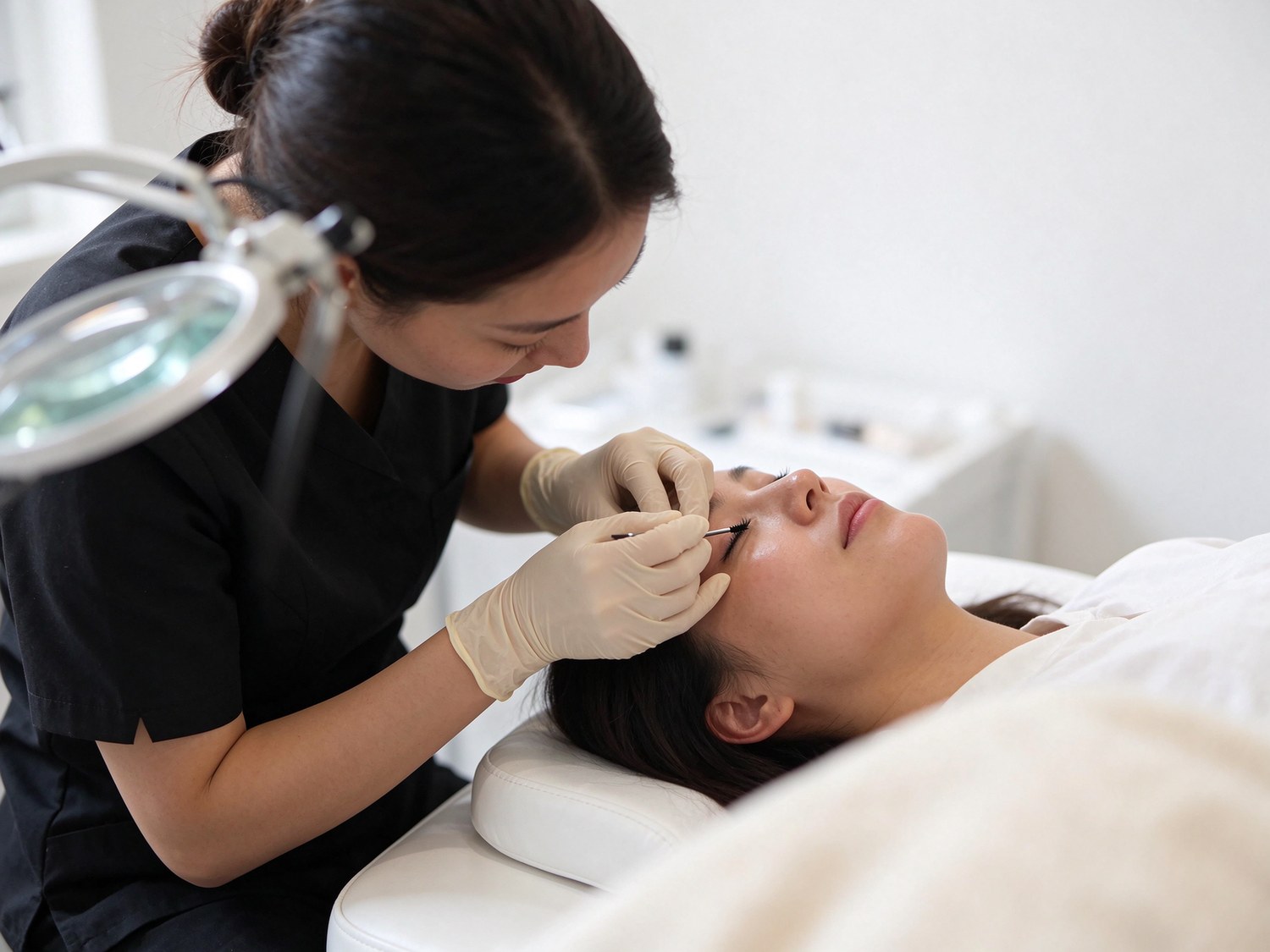
Almost every lash artist meets the same situation sooner or later: a client returns a few days after a lift, unhappy because the curl is weaker than expected, and asks you to do it again. The tempting answer is yes. The professional answer is “let me look at your lashes first.”
A lift can often be corrected, but it should never be automatically repeated. The decision depends on the condition of the natural lashes, on what the first treatment actually achieved, on how recently it was performed and on which products were used. Those four questions are answered by the lashes, not by the calendar.
>Start with the lashes, not the schedule
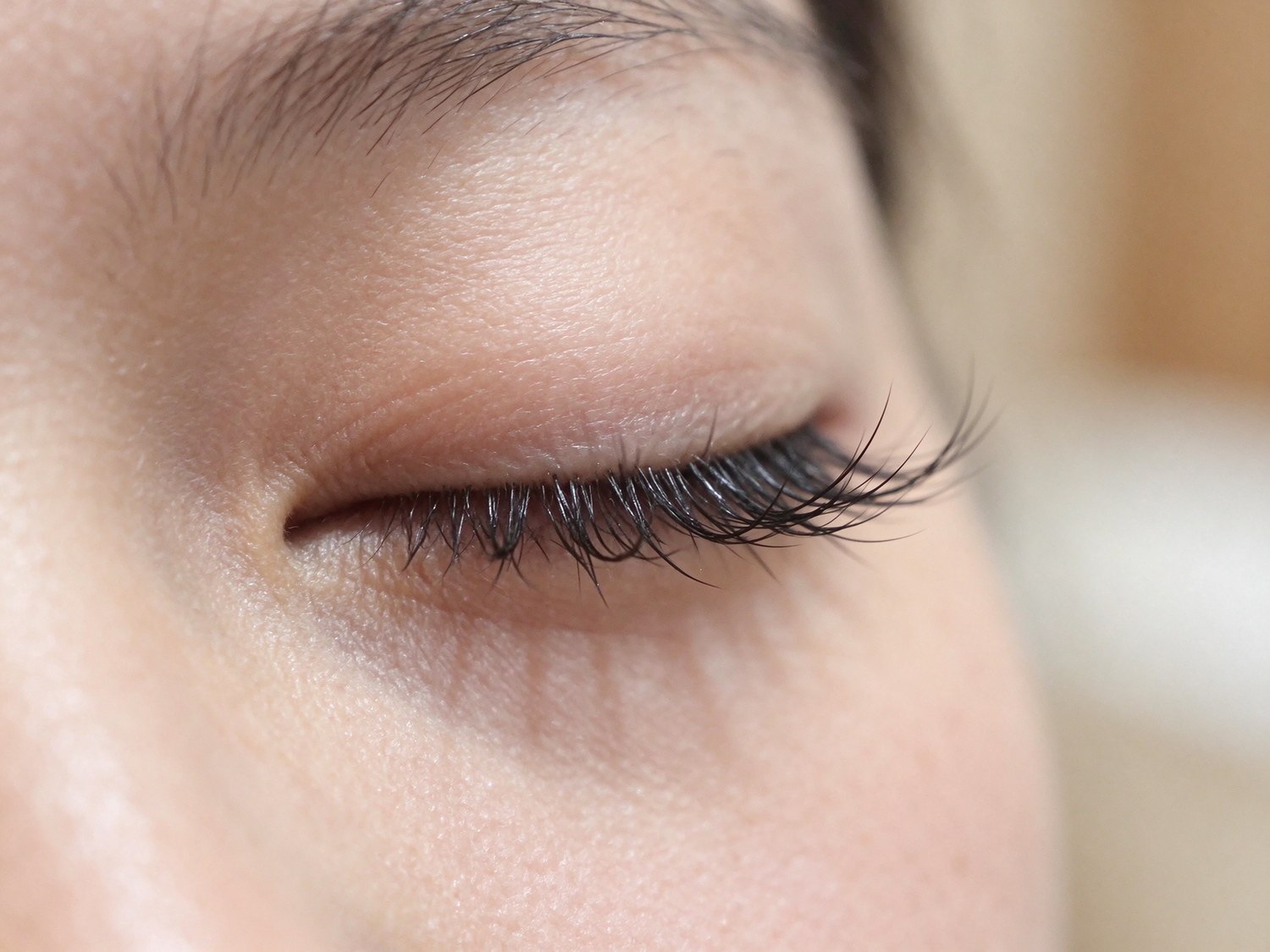
Before you discuss what went wrong, assess what you are working with. Look at length, thickness, texture and overall condition. If the lashes are healthy and the previous lift simply under-delivered, a correction may be possible.
If they are dry, brittle, frizzy, over-curled or showing signs of damage, the answer is no. Further chemical processing increases the risk of compromising the natural lash, and no immediate improvement in curl is worth a month of weak, broken lashes.
This assessment should be a habit rather than a reaction. Every client who asks about a redo gets the same first step: a proper look, with a light, before any product is taken off the shelf.
What a correction actually is
A correction is not “Steps 1 and 2 again, and hope for a better result.” It is a professional decision to adjust what already exists — relaxing or refining an existing curl, or re-lifting the sections that genuinely did not process — rather than repeating the full service.
What a correction involves depends on several things at once: the condition of the lashes, how long ago the original lift was done, what result was achieved, which system was used, the manufacturer’s instructions, and your own training and insurance requirements. If any of those is unclear, the correct decision is to wait and reassess rather than to experiment on a client’s lashes.
Why a lift under-develops
A lift that appears to have done very little is usually one of a handful of causes. Work through them in order:
- Processing time. The solution was not left on long enough for that client’s lash type.
- Resistant lashes. Some clients have lashes that simply resist the process and need a longer, not stronger, approach within the manufacturer’s limits.
- Placement. Lashes were not correctly positioned on the shield or rod, so the curl formed in the wrong direction or only in part.
- Shield or rod choice. The wrong size or shape was selected for the client’s length.
- Saturation. The solution was applied too sparsely or unevenly, so some lashes were barely treated.
- Application technique. Product was applied outside the system’s intended method.
- Lash condition. The lashes were already compromised before the service began.
- Environment. Room temperature, humidity or airflow changed how the product behaved.
- Growth cycle. The client’s own shedding pattern replaced lifted lashes faster than expected.
Identify the cause before proposing a fix. Repeating a treatment without knowing why it failed usually reproduces the failure, with more damage.
Timing: six to eight weeks is the baseline
For a full repeat lift, the widely used interval is six to eight weeks. That gives treated lashes time to move through the growth cycle and be replaced by untreated hair. The exact interval should be judged on the individual client and the state of their lashes at each appointment, not booked automatically at the same number for everybody.
A client whose lashes grow quickly may be ready sooner; a client whose previous lift is still clearly visible may need longer.
What about one week later?
Generally, no. Even if the result is less dramatic than the client hoped, the lashes have still been chemically processed. A second full lift a week later raises the risk of over-processing considerably.
A correction on healthy but genuinely under-processed lashes may be possible, subject to the manufacturer’s guidance, your training and the condition of the lashes — but that is a different procedure from repeating the original service. It is targeted, shorter and assessed section by section.
Over-curled lashes are a different problem
Lashes sitting too tightly against the eyelid need a different plan. Adding more lifting solution is not necessarily the answer, and often makes the problem worse.
First work out why the curl is excessive: shield size, placement, processing time and product strength can all contribute. A reversal — relaxing the existing curl with an appropriate professional technique — may be appropriate, but the condition of the lashes still decides whether it happens. Where lashes are visibly damaged or over-processed, further chemical treatment should not be performed at all.
Signs the lashes should not be treated
- Excessive dryness, or lashes that feel rough rather than smooth
- Brittleness, snapping or breakage during handling
- Frizzing or crimping along the length
- Very curly or kinked ends
- Uneven texture across the set
- Visibly weakened or thinner lashes than at the previous appointment
If any of these are present, postpone and explain why. Protecting the natural lash matters more than delivering an immediate result, and a client who understands that will usually respect it.
Preventing the redo in the first place
The best correction is the one you never have to perform. Before every lift:
- Assess the lashes — length, thickness, strength, condition.
- Discuss the desired result, because “natural” and “dramatic” mean very different things to different clients.
- Choose the shield against the lashes, the look and the solution: larger shields give a softer, more open lift, smaller shields a tighter curl. With a cysteamine system the product goes on the whole lash, so the shield has to fit the lash length.
- Follow the product instructions and never extend processing time to chase a stronger curl.
- Check placement patiently: every lash straight, separated and properly positioned.
- Do not rely on the timer alone. Use a strand test to confirm readiness.
What to say to the client
Never promise to “just redo it”. Set the expectation before you touch the lashes, for example: “Because your lashes have already been treated, I need to check their condition before deciding what we can safely do. I don’t want to over-process them just to get more curl.”
That sentence does two things: it reassures the client that you are protecting her lashes, and it buys you the time to find out what actually went wrong. In most cases the honest answer — a correction now, or a full lift in six weeks — is accepted without argument, because it is clearly about her lashes rather than your convenience.