
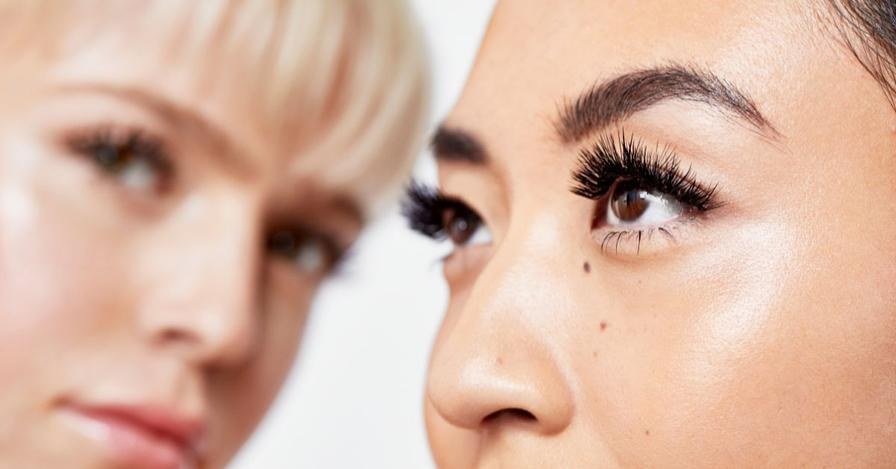
Upper lashes have carried the extension industry for two decades. The lower lash line was treated as optional, risky, or something only editorial work needed. That is changing: more clients now ask for a balanced, bright-eyed look that includes the bottom row.
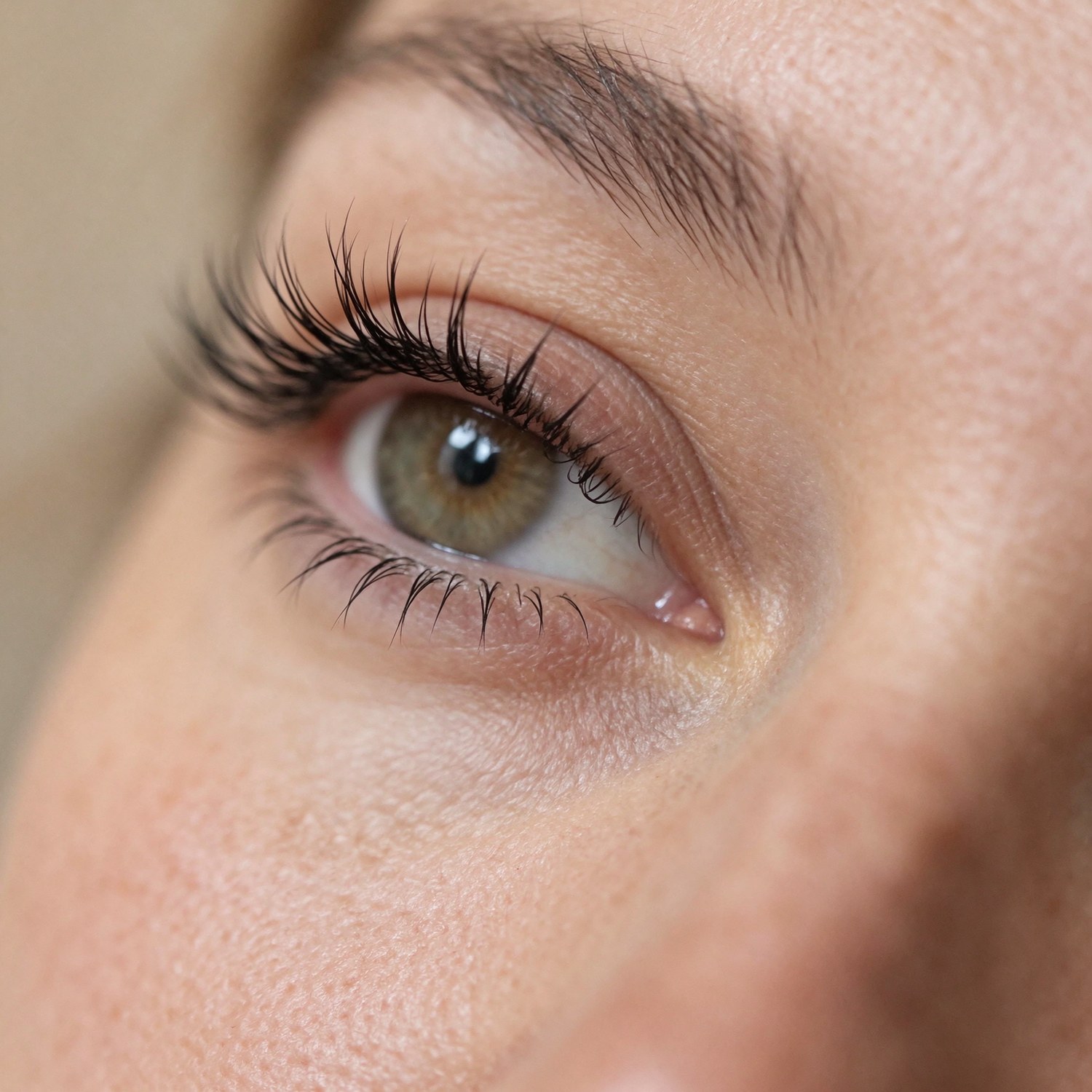
Bottom lash extensions are individual extensions placed on the natural lower lashes, using professional adhesive and proper isolation. They are not clusters, strips or anything glued across the skin. Done correctly they are short, extremely light and almost invisible as “extensions”; done carelessly they are heavy, clumped and uncomfortable.
Who they suit, and who they don’t
The ideal client has a healthy, reasonably dense lower lash line to attach to, and wants symmetry, definition for photographs, or a more finished look for events and bridal work.
Clients with sparse or very fine bottom lashes usually cannot support the weight and will not get the effect they saw in a photo. Be direct about that in the consultation rather than attempting a set that will look patchy in five days.
The mistake almost everyone makes first
Using upper-lash products on the lower line. The skin under the eye is thinner and far more sensitive, and the natural lashes are shorter and weaker.
- Lashes: finer and shorter than anything you would use above. A lower lash should read as a shadow, not a spike.
- Adhesive: a gentler, lower-irritation formula. The same fast, high-vapour glue you love for volume sets is the wrong choice here.
- Weight: keep it minimal. Overweighted lower extensions pull, itch and drop early.
The second common error is skipping isolation. Without it, lower lashes clump together, which looks messy and feels uncomfortable the moment the client blinks. Rushing is the third: asymmetry on the lower line is far more visible than on the upper, because the eye reads the outline of the whole shape.
Application, step by step
Comfort is the whole technique. If the client is watering or flinching, nothing else matters.
- Tape or pads to hold the upper lashes clear and open the lower line.
- Cleanse and dry the lower lashes thoroughly, then keep the under-eye area dry for the whole set.
- Select the finest, shortest tray you stock; many artists keep a dedicated lower-lash tray so there is no temptation to improvise.
- Isolate one natural lash, dip a minimal amount, place without touching the skin, and hold until set.
- Work in small sections and let each one cure before moving on.
- Finish with a check for clumps, a gentle cleanse and a photo for the client’s record.
Aftercare is stricter than for a full set
Lower extensions sit right above the tear duct and the oilier part of the face, so the aftercare conversation has to be specific:
- No oil-based makeup removers; they soften the adhesive.
- A lash-safe cleanser, used gently, with no rubbing.
- No eye rubbing, and no heavy under-eye creams or retinols on the lash line.
- Sleeping position matters more than usual; side sleepers lose lower lashes first.
- Rebook at around three weeks. The lower lash cycle is shorter and the set thins faster than an upper set.
Patch testing and consent
Because the product sits closer to the eye and on more sensitive skin, treat the consultation as seriously as an upper set. Record the adhesive used, patch test according to your insurer’s requirements, and explain what “normal” shedding looks like so a client does not panic in week two.
Why it is worth adding
Almost nobody in a given town offers lower lash extensions well. That makes it a differentiator rather than another line on the price list, and it pairs naturally with upper sets, lifts and brow work as a full-eye service.
The service is not for every client and not for every artist’s nerves, and that is fine. Offer it selectively, price it for the extra time and precision it takes, and be honest in the consultation about who will get a good result.
If you are building a lower-lash kit, start with finer, shorter lashes and a gentler adhesive rather than repurposing your volume stock. LebestPro supplies both upper and lower lash trays, low-irritation adhesives and the isolation tools the service depends on.