
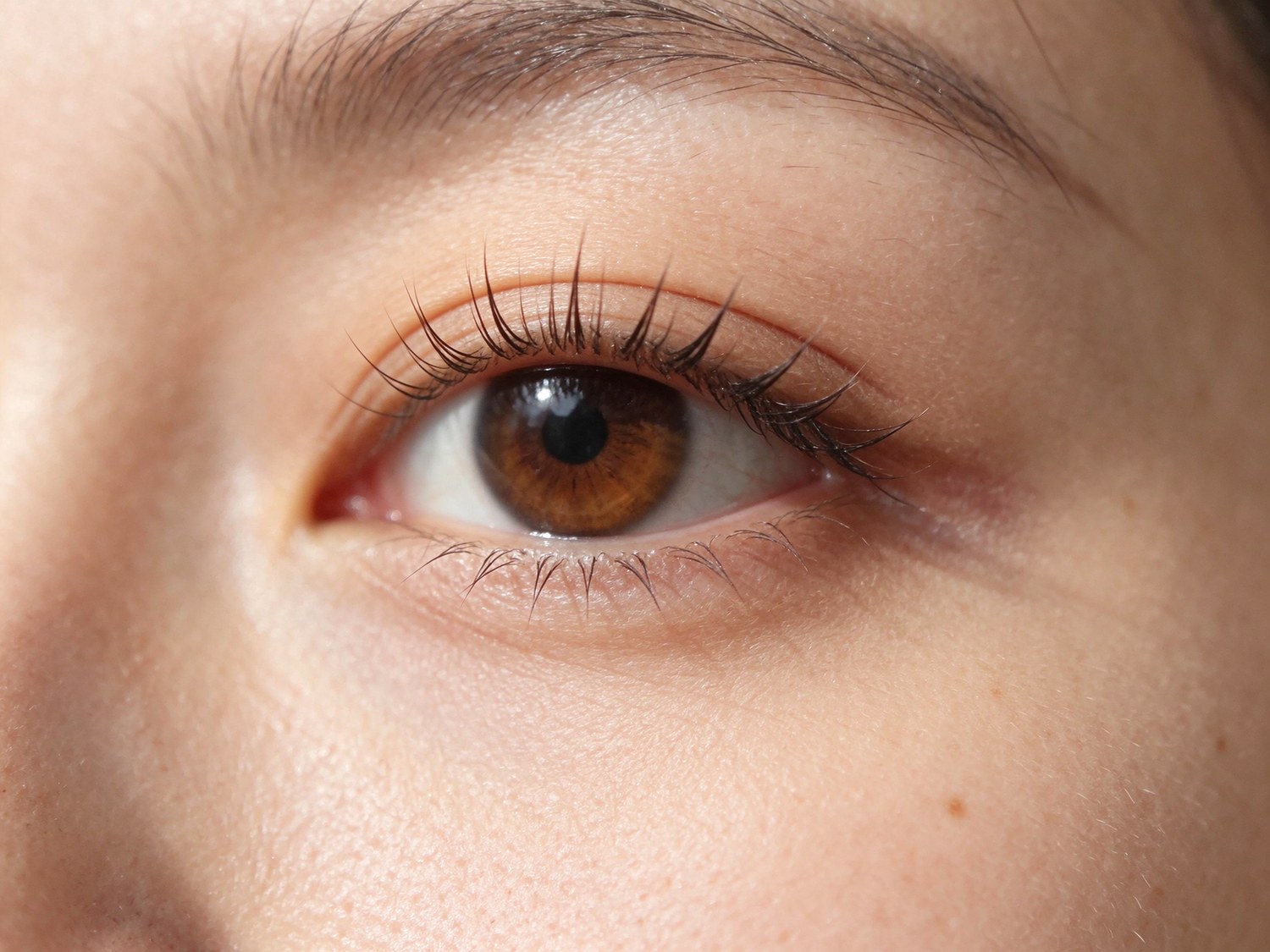
Two clients can receive the same lift solution, the same processing time and the same aftercare advice, and still need completely different results. Eye shape decides how the lift should look: how much curl, where the elevation sits, and how much of the lid should be left visible. Customising is not a premium extra — it is what makes the service look intentional.
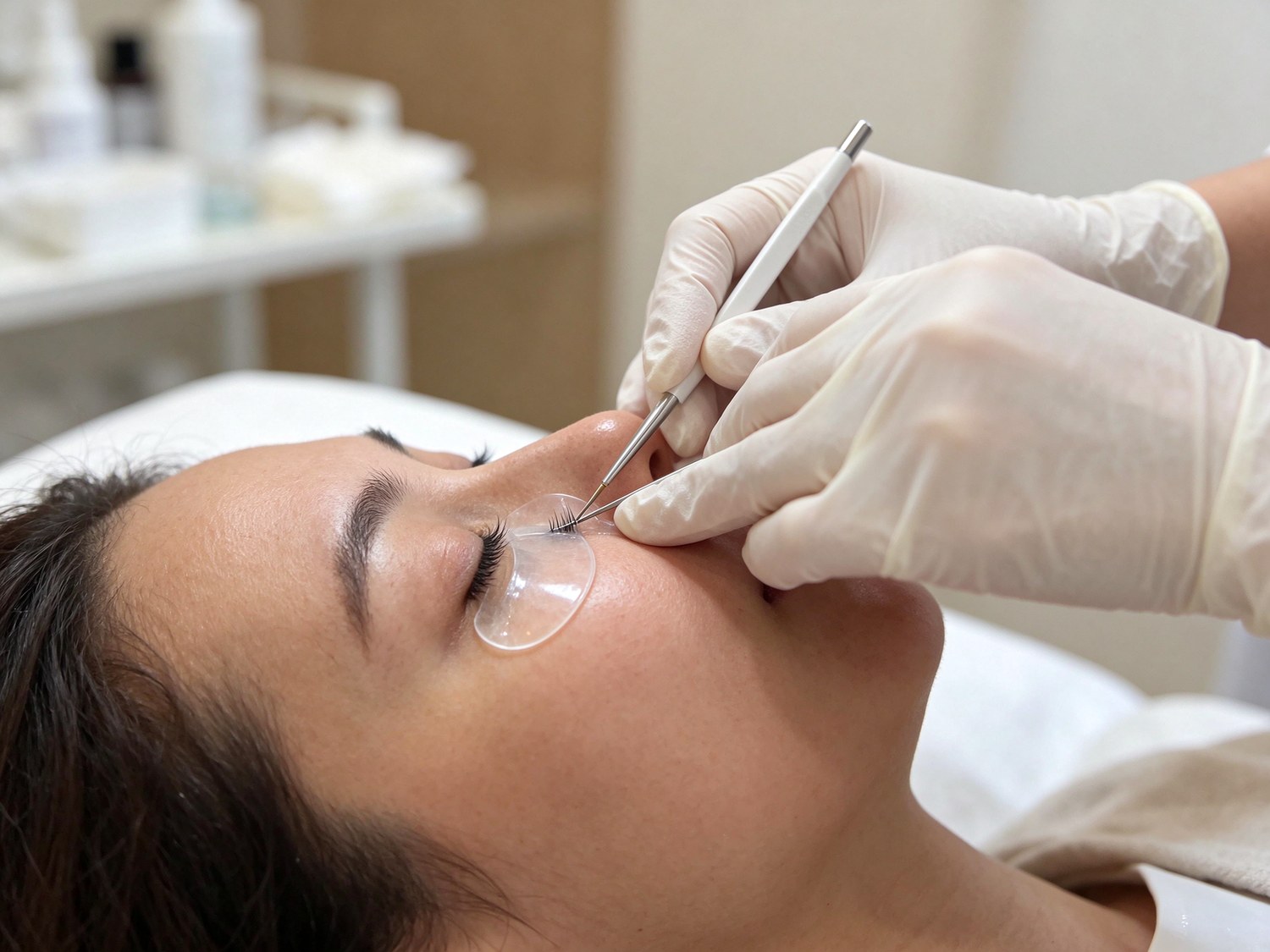
>Start with observation
Before choosing a rod or shield, read the eye: natural lash direction, lid space, symmetry between the two eyes, lash length and how much lift the eye can carry without looking surprised. These four priorities guide the decision — lash health, eye shape balance, shield suitability, and the finish the client actually wants to maintain.
Symmetry deserves its own check. Most faces are not perfectly symmetrical, and matching the lift to the client’s natural asymmetry looks better than forcing identical curls on both eyes.
Almond eyes
Almond eyes adapt to almost any lift, so the goal is definition rather than drama: a soft but visible lift from inner to outer corner. Control matters more than intensity here. Over-lifting sharpens the eye and can look harsh in daylight, while balanced placement gives a polished structure that photographs well and grows out cleanly.
Round eyes
Round eyes benefit from styling that elongates rather than opens further. A uniform lift across every section exaggerates the roundness; a gentle progression from inner to outer areas creates a cleaner, more elongated line. Slightly less lift in the centre and more support at the outer section usually reads as sophistication rather than surprise.
Hooded eyes
Hooded eyes need a lift that visibly opens the eye area without forcing lashes into a harsh angle. Lash direction, natural length and the amount of visible lid space all matter. An aggressive curl crowds the upper lid and reduces elegance; a cleaner, more deliberate curve creates better visibility and a result that works for everyday wear.
Restraint is the technique here. The lift should support openness, not simply add curl.
Monolid eyes
Monolid shapes benefit from visible elevation with very neat alignment. The service has to deliver presence at the lash line while keeping the finish refined and wearable, which puts extra weight on isolation and on shield choice. Clean lift, even spacing and a shape that holds through the growth cycle are the priorities — and they depend on consistent processing rather than a stronger solution.
Downturned eyes
For downturned eyes, the aim is a more lifted visual line rather than a fight with the natural shape. Most of the work happens in the outer sections: enough support to bring the outer corner up, without tension that flattens the effect or creates inconsistency from one section to the next.
Check the result with the client’s eyes open as well as closed. A lift that looks balanced lying down can read differently when the lid is relaxed.
Lash type matters as much as eye shape
Eye shape never tells the whole story. Short lashes need a result that favours visibility and control over exaggerated curl. Straight or resistant lashes need exact timing, disciplined placement and a system with predictable processing. Fine or fragile lashes need a conservative plan and possibly a later date.
This is why a lift menu built on one standard timing and one shield size will always produce uneven results across a client base. The variables are the service.
How to make customisation a selling point
Customised lifts move a salon past one-size-fits-all appointments. During consultation, explain what you observed and why the chosen shield and placement suit that eye — clients notice when a service feels designed for their face, and that explanation is what justifies a premium price without discounting.
It also supports better referrals. A client who understands why her lift looks different from her friend’s is a client who describes the salon accurately to other people.
A short pre-service routine
- Assess lash health, length and direction on both eyes.
- Note lid space and asymmetry, and photograph the eyes closed and open.
- Match shield size to the lash, not to habit.
- Choose timing from lash texture, not from the clock.
- Explain the plan to the client before starting.
Customisation is observation plus discipline. The products do not change; the decisions do.