
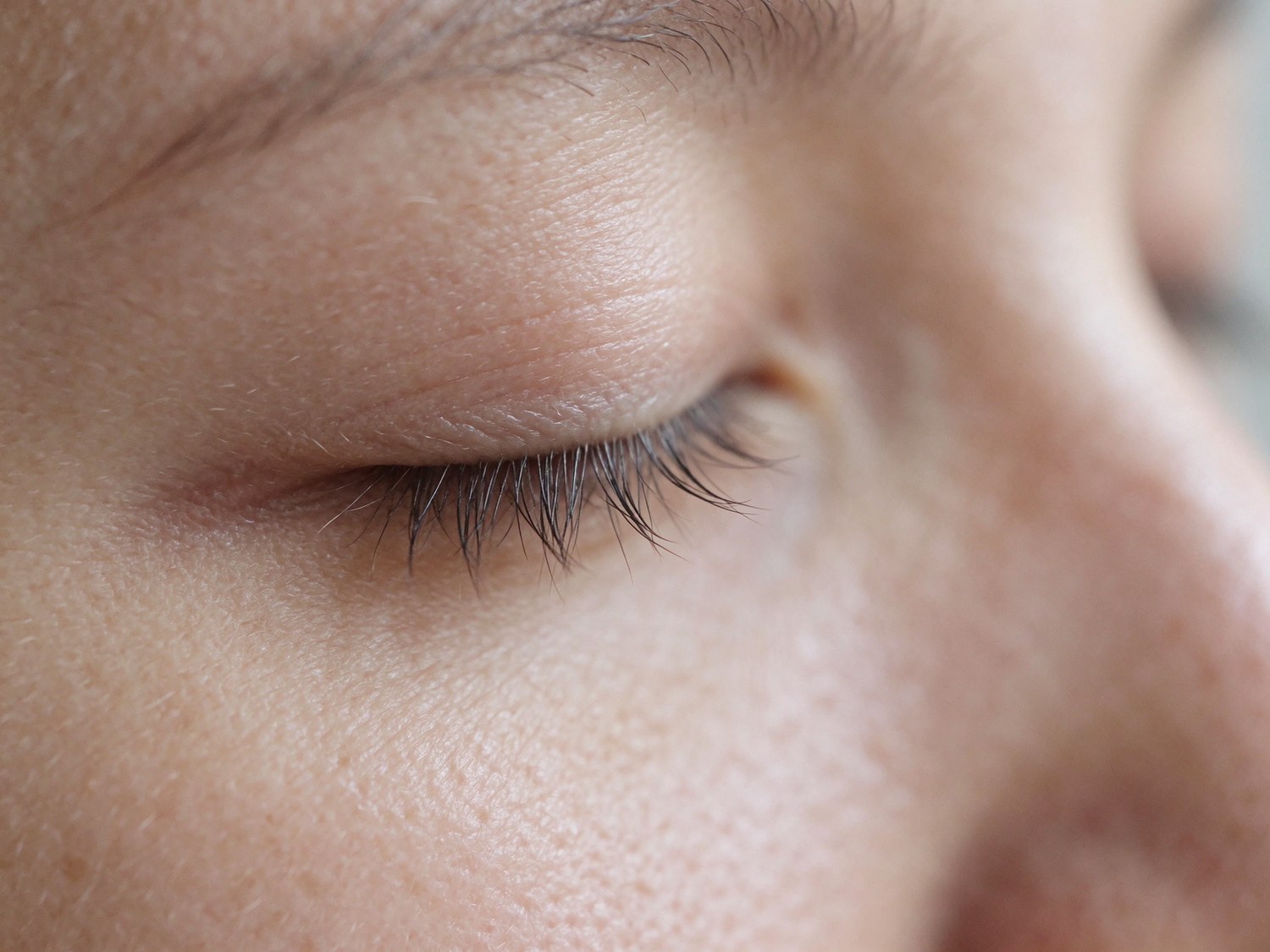
Clients with thin, brittle or sparse lashes are not a reason to turn a booking away. They are a reason to slow down. Delicate lashes need a lighter plan, a more honest assessment and a maintenance schedule that protects what is there while still delivering a set the client is happy to wear.
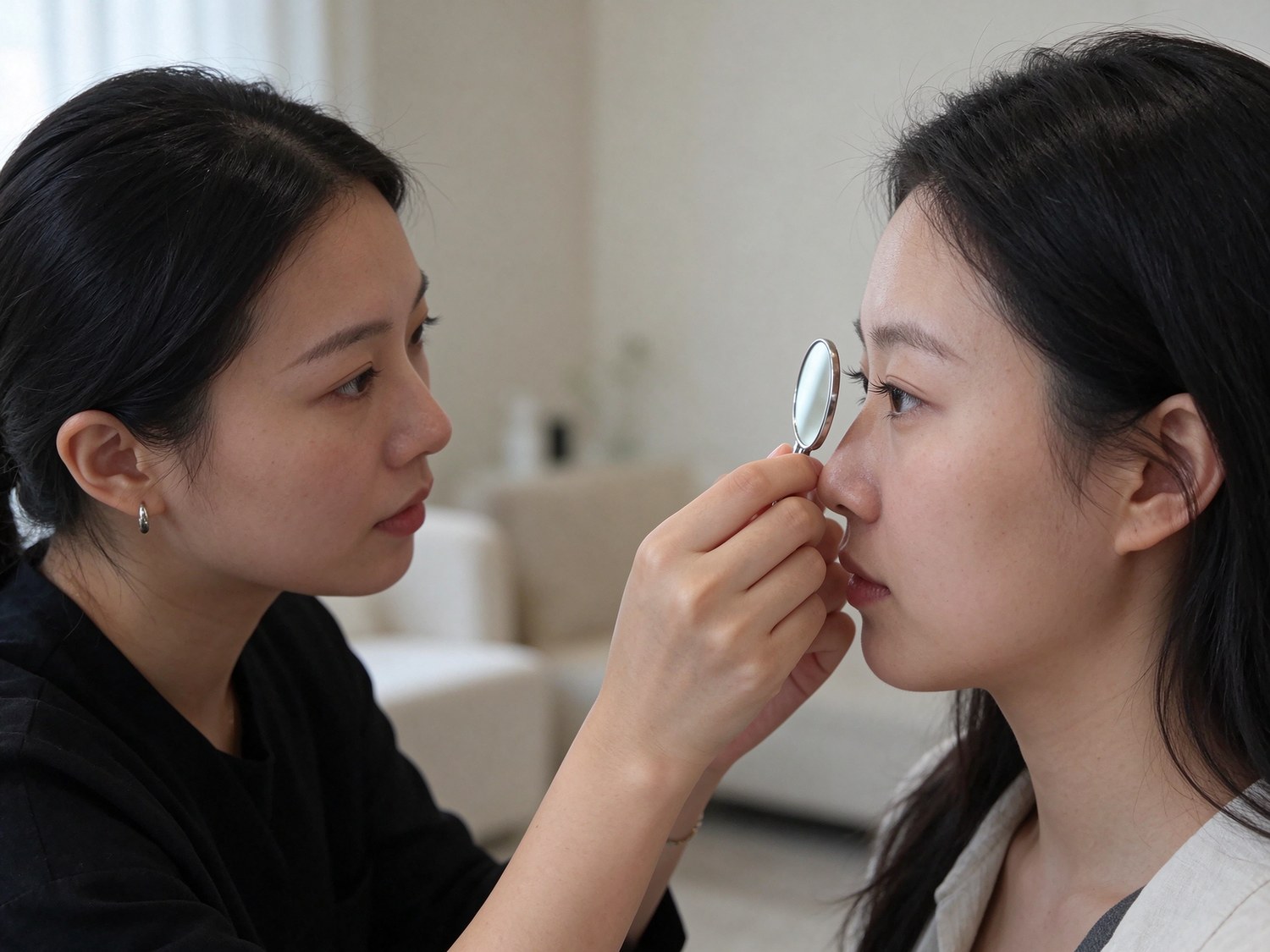
>Start by assessing the damage
Before choosing a single extension, look at the natural lashes properly. If they are brittle, sparse or clearly damaged from previous sets, the first decision may be to postpone. That feels like a lost booking and is actually the opposite: it protects the client’s lashes, and clients remember being told the truth about their own hair.
Ask what happened before. Over-weighted sets, poor removal, picking, hormonal changes and medical treatments all leave a signature on the lash line, and the pattern tells you how conservative to be.
Choose lighter, shorter, and less
Weight is the variable that matters most. Keep the extensions as light as the look allows:
- Volume — 0.07 in up to 2D for most weak lashes; 0.05 in 4D where more coverage is needed and the lash can carry it.
- Classic — 0.12 maximum; many fragile lashes do better at 0.10.
- Wet-look styles — flat lashes weigh roughly half a standard classic of the same diameter, so the texture can be delivered without the load.
- Length — shorter than the client’s usual preference. Short lashes read fuller and fill gaps without leverage on the base.
The goal is a set that looks complete at conversation distance and feels weightless at the root. If a design only works at a length the lash cannot support, the design is wrong for this client.
Application technique on fragile lashes
Technique needs more care, not more speed. Avoid placing extensions on baby lashes unless a gap genuinely needs bridging; where it does, use a light classic or a small fan and review in two weeks rather than four.
Adhesive control becomes critical. Use less than you would on a strong lash, blot the tip properly, and check for stickies throughout the set rather than at the end. A sticky pair of lashes pulls on the natural hair every time the client blinks, and that is exactly the kind of micro-stress weak lashes cannot absorb.
Isolation must be immaculate. On sparse lashes the temptation is to work fast and accept a less clean separation; that is the moment damage happens. Fewer, better-placed extensions always beat a dense set built on imperfect isolation.
Set a maintenance rhythm
Two to three week infills suit fragile lashes better than a four-week cycle. The set stays lighter, gaps are caught early, and the artist gets a regular view of how the natural lashes are recovering.
At each visit, check for early signs of stress: lashes that have thinned at the base, a change in direction, or a client reporting tenderness. Adjust the next set rather than repeating the same map out of habit.
Aftercare that actually protects the lash
Send the client home with a routine, not just a warning. A gentle lash shampoo used daily keeps the lash line clean and prevents the build-up that leads to irritation. No rubbing, no picking, no pulling at extensions, and no mascara on top of a set.
A conditioning serum applied to the lash line supports hydration and flexibility between appointments. It will not rebuild a damaged lash overnight, but it improves the condition the next set is built on.
Sometimes the answer is not yet
There are clients who should leave without a set. If the lashes are too damaged to carry even a light classic, the professional move is to recommend a break, a conditioning routine and a review in six to eight weeks.
That decision costs one appointment and protects years of future ones. Lash health comes before the look, every time — and clients who are told that tend to stay.