
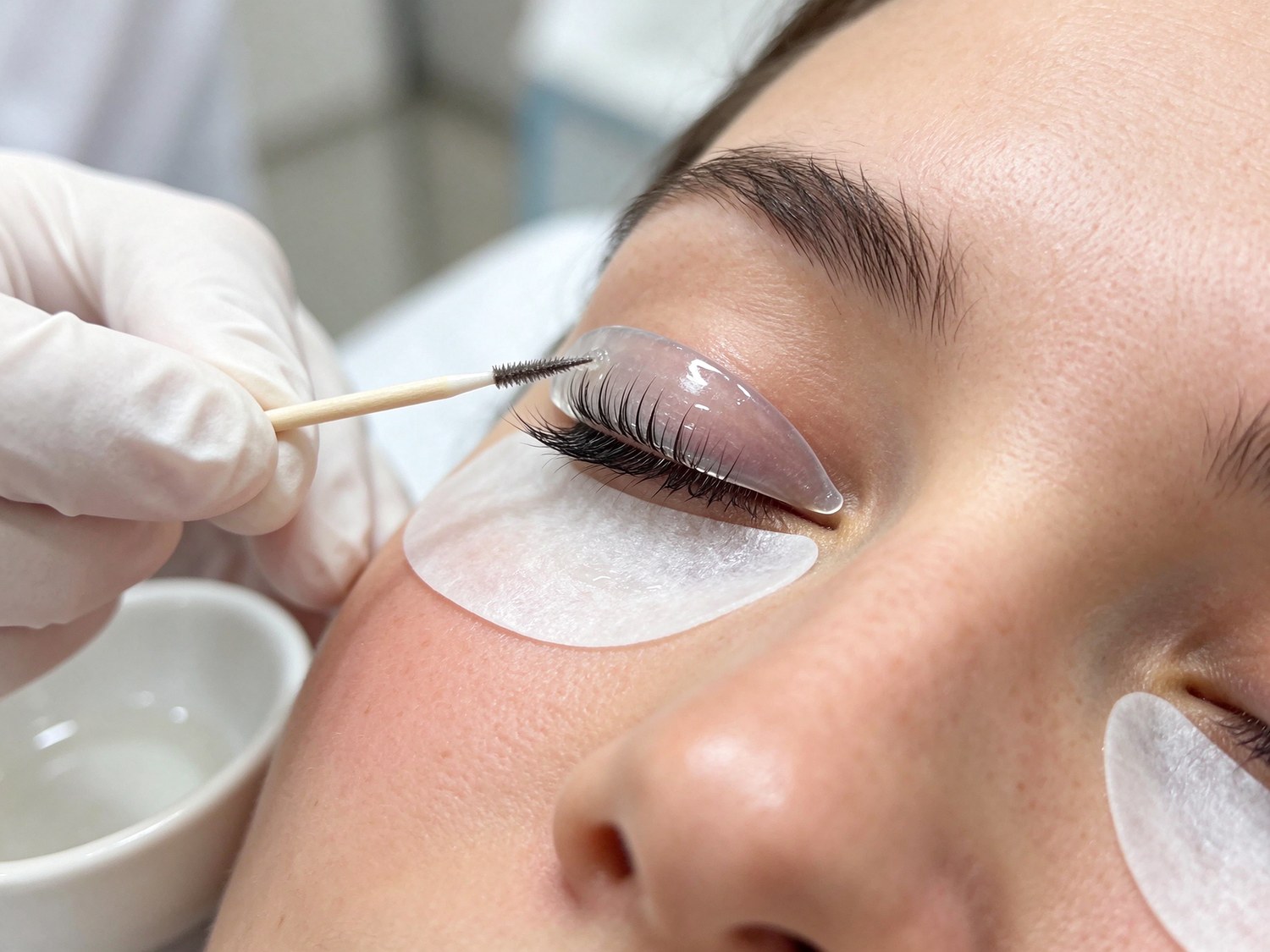
Lash lifting is a chemical service, and like any chemical service it has a set of predictable problems. Most of them do not come from the concept of lifting itself but from four practical points: who is treated, how long the product stays on, where it is placed, and how the client looks after the result. Get those right and the service is one of the safest in the salon.
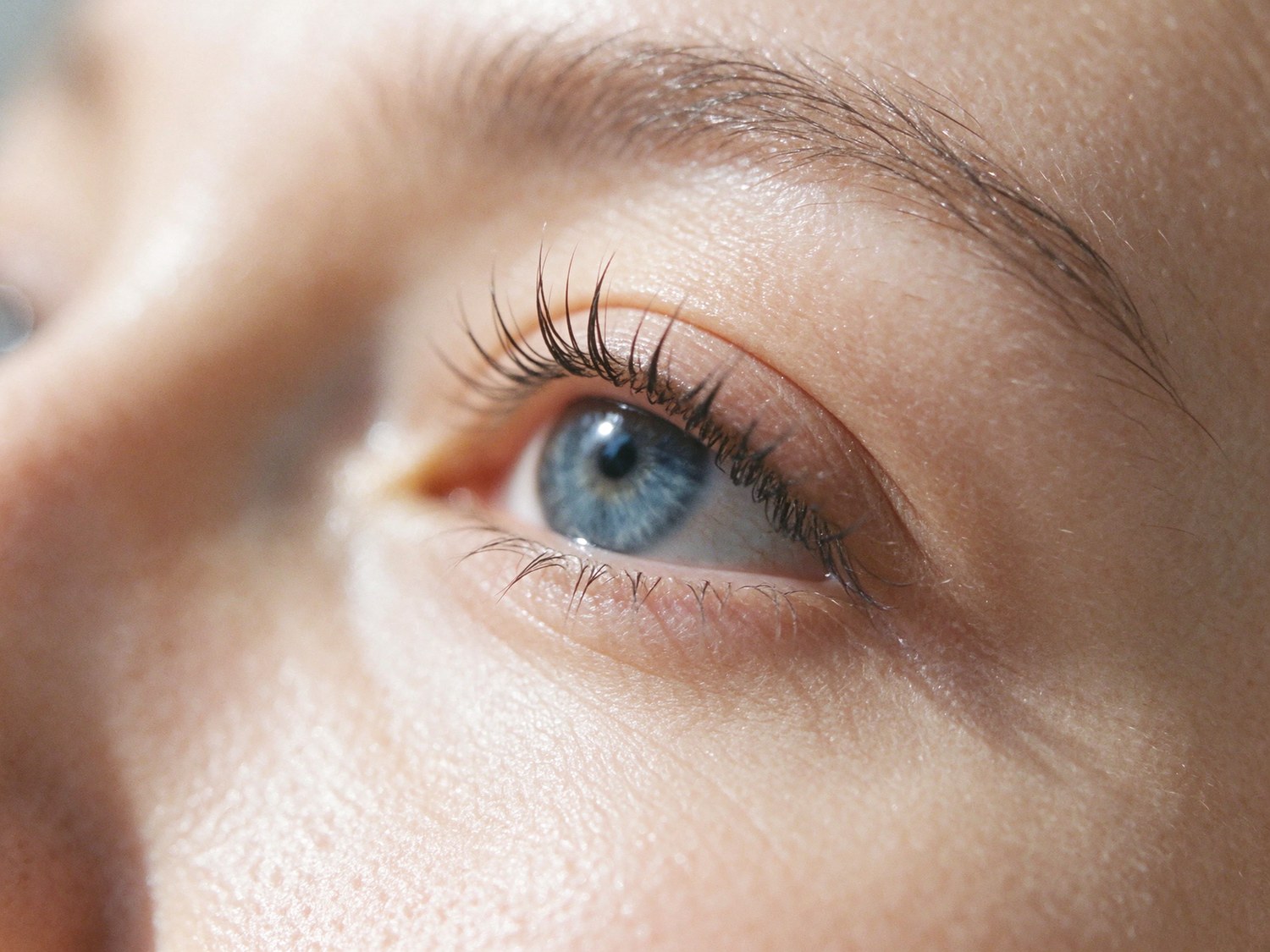
>What actually causes side effects
Adverse outcomes usually trace back to poor candidate selection, inaccurate timing, imprecise product placement, weak isolation or gaps in aftercare. Lashes can be damaged when processing runs too long, or when lotion reaches the lash ends instead of the section where redirection should happen.
Understanding the cause matters more than memorising a list of symptoms, because each cause has a specific fix in the appointment.
1. Screening and consultation
A thorough consultation lowers risk before any product is applied. It identifies contraindications, medication history, recent changes around the eyes and any sign that the lashes will not tolerate processing well.
Patch testing remains part of prevention when sensitivity is a possibility. Avoid treatment after a positive reaction, with watery or irritated eyes, or where the skin and eye area are hypersensitive. Blepharitis, conjunctivitis, recent eye surgery and visibly weak lashes all call for postponement, and clients with dry eye, glaucoma or a history of chemotherapy should check with their doctor first.
2. Assessing lash condition before choosing a system
Medical suitability is only half the assessment. Fine, fragile, dry, previously over-styled or damaged lashes need a conservative plan, and sometimes no plan at all this month.
Evaluate density and structure, then adjust processing time to the lashes in front of you rather than to the clock on the wall. Gentler chemistry helps here: cysteamine-based systems work without thioglycolate and are designed to reduce the risk of over-processing while preserving bond integrity. They do not replace assessment — they simply widen the margin for error on sensitive lashes.
3. Timing that matches the lash
Over-processing is the most common cause of a poor lift. Lashes end up dry, frizzy, weak or uneven, and the cause is almost always time rather than technique.
The chemistry is straightforward: disulfide bonds need to break enough to reshape the hair and then reform in the new position. Break them too far and they cannot recover properly. Fast systems are efficient, but speed only works when the technician can judge texture, density, direction and resilience — resistant downward lashes and fine, previously stressed lashes need different handling.
4. Placement and shield selection
Placement errors create both aesthetic and structural problems. Lotion that sits too high, too low or too close to the tips produces an uneven shape and can compromise the ends of the lashes. Product does not belong on the tips; redirection happens at the base and along the mid-section.
Shield sizing matters just as much. An oversized shield over-curls and can crimp; an undersized one creates tension at the base and a weak result. Measure the lashes against the shield before starting so the lift pattern is consistent from root to tip.
5. Controlling the service environment
Small operational details change comfort and consistency more than most technicians expect. Watery eyes, uneven application between the two eyes, and poor lower-lash protection all raise the risk of irritation or a mismatched result.
Remove contact lenses before treatment. Work in the same order on each eye so processing times stay balanced, and keep the interval between the first and second eye short — even a few minutes of extra processing on the first eye shows up as an uneven lift.
Aftercare protects the result
Post-service habits decide whether the lift holds its shape. A lash bath immediately after treatment, a lash-specific conditioning serum used daily, and careful handling for the first 48 hours all reduce dryness and premature breakdown.
Ask clients to wait 24 to 48 hours before mascara so the lashes can fully set, and explain that brushing, rubbing and sleeping face-down will shorten the result. Clear aftercare produces fewer complaints and stronger rebooking confidence.
The prevention checklist
- Full consultation with contraindications reviewed
- Patch test where sensitivity risk exists
- Lash assessment before choosing timing and system
- Shield measured to each eye
- Lotion kept off the tips, applied with control
- Both eyes processed evenly
- Aftercare explained and products recommended
Side effects are not a reason to avoid lash lifting. They are a reason to treat the fundamentals — screening, assessment, timing, placement and aftercare — as the service itself, rather than as preparation for it.