
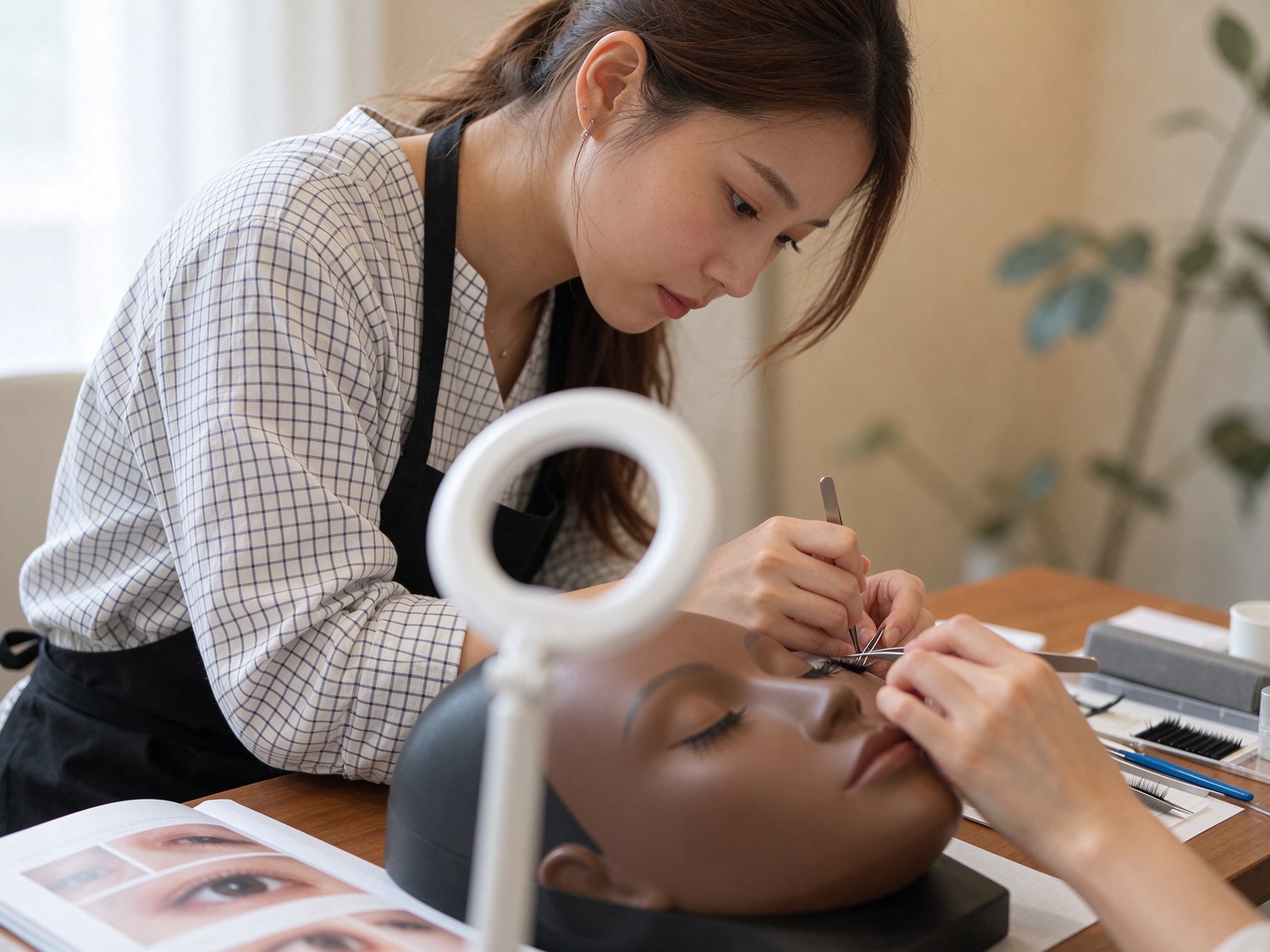
The end of the year is when people reconsider work. The questions are always the same: am I happy with this, what would I rather be doing in twelve months, and could I actually make a living at it. Lash work comes up in those conversations more than most trades, because it is visible, flexible and reasonably quick to enter. Here is an honest version of the case, including the parts that rarely make it into a course brochure.
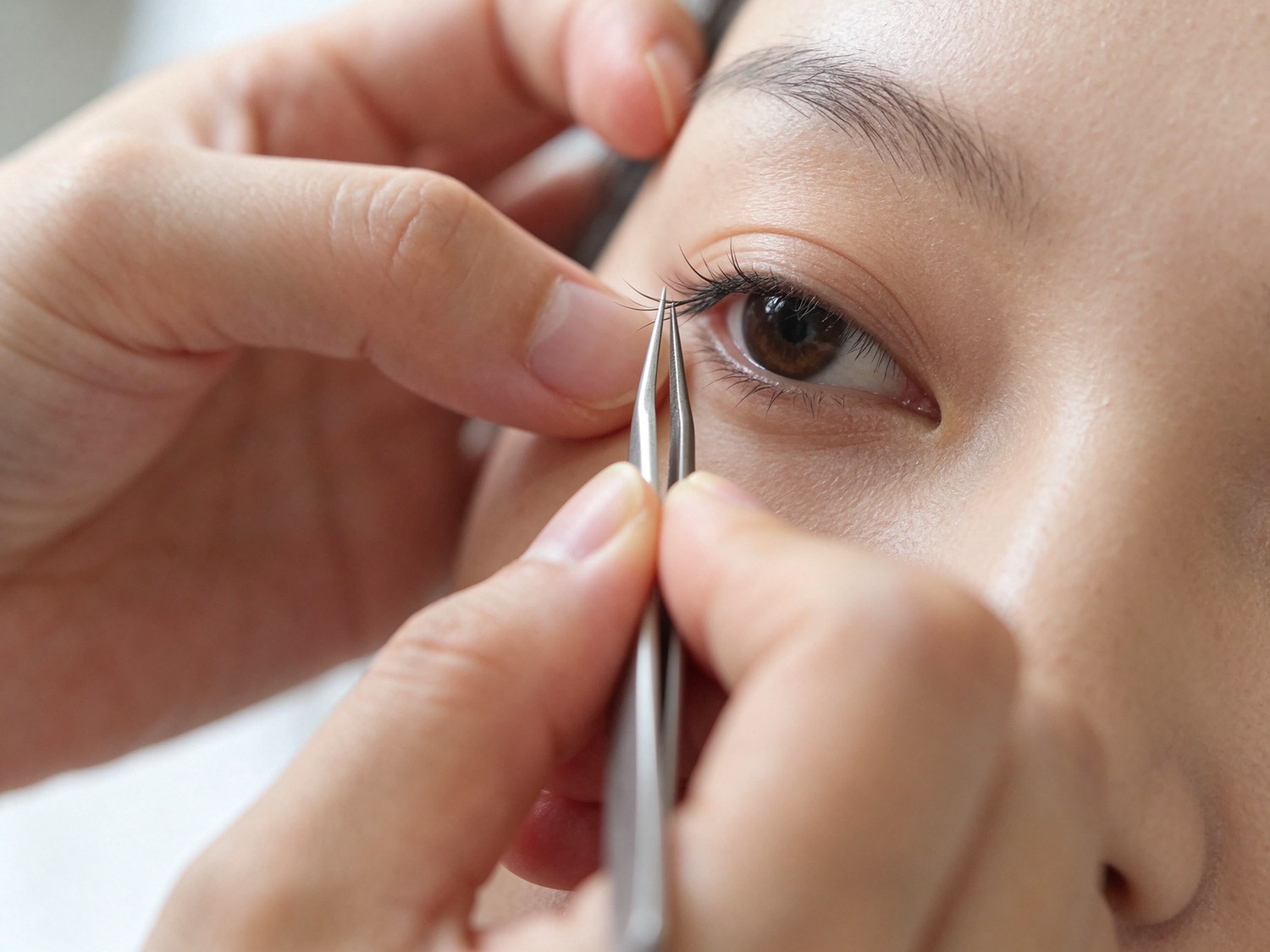
>Reason one: steady demand, not seasonal demand
Lashes used to be an event purchase. They are now a maintenance habit for a large group of clients who rebook every two to three weeks, which means a stylist who retains clients has a predictable base rather than a calendar full of spikes. That predictability is the single biggest difference between lash work and other beauty services sold mainly around weddings and holidays.
It also means the business is built on relationships rather than on marketing reach. A stylist with forty regular clients does not need a large social following; she needs a booking system, a retention habit and a phone that gets answered.
Reason two: a schedule you actually control
The work is appointment-based, which makes it one of the few skilled trades where a parent, a carer or someone studying can build a schedule around other obligations. Three days a week is a viable business; so is six, and the choice can change month to month. That flexibility is real, but it cuts both ways, and the second half of this article is about the cost.
Reason three: the ceiling is higher than the entry price
Entry-level lash income is modest, and anyone who tells you otherwise is selling a course. The ceiling, however, is set by skill and reputation rather than by an employer’s pay scale. Stylists who specialise in advanced volume work, who are genuinely good with difficult lash lines, or who build a distinctive design signature can charge premium prices and fill a book without discounting. The gap between an average stylist and a specialist is wide, and it is closable with practice rather than with luck.
Reason not to: the body pays first
Two hours bent over a lash bed, repeated four or five times a day, is a physical load. Neck, shoulders, lower back and wrists take it before anything else does, and the stylists who last ten years are the ones who set up their chair height, their magnification and their break pattern properly from the first month. If you cannot imagine prioritising posture and breaks over squeezing in one more client, this work will hurt you.
Reason not to: it is a business, not a job
Very few lash stylists are employees. Most are self-employed, which means pricing, deposits, no-show policies, insurance, tax, supply ordering and the marketing are all yours. The application itself may be the smallest part of the week. People who leave a salaried role for the freedom often discover they have swapped one boss for several hundred, and the ones who thrive are those who accept that the admin is part of the craft.
How to test it before committing
Take a properly structured course with live instruction and a real assessment, not a video library. Practise on models for a month before taking paying clients, and count the cost of supplies and insurance honestly. If the practice still feels like something you want to do on a Sunday, the rest is learnable. If it already feels like a chore, no business plan will fix that.