
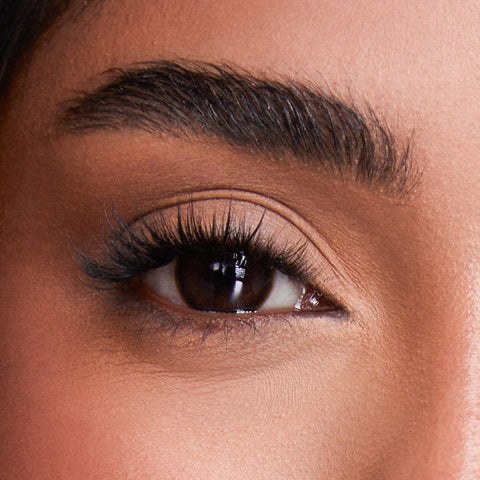
Most lash artists run on coffee, and most clients arrive with a cup in hand. It is worth understanding what caffeine does to a set, because the effects show up in the chair: in your hands, in your focus and, quite often, in your client’s eyelids.

>Focus and attention
Caffeine can wake you up and improve reaction time, but it can also make attention jump from one thing to the next. Lashing is detail work held for a long period, and scattered attention shows up as an inconsistent map, uneven isolation or a fan that lands slightly off and stays that way.
If you notice yourself feeling jittery or distracted, a lower-caffeine option or simply more water through the day can help keep your attention where it needs to be.
Steady hands
Shaky hands and precision lashing do not mix. Whether it is the morning coffee or an afternoon pick-me-up, caffeine can make fine placement harder, and the effect is worse when you are already tired or working in a hurry.
Worth remembering: new medication or supplements can change how caffeine affects you. If your routine has changed recently, go easy on the coffee for a while and see how your hands feel.
Flickering eyes
This is the practical problem. After caffeine, plenty of clients get jittery eyelids, and applying extensions to a moving target is both frustrating and less precise. A fan that lands while the eye is moving will not sit as cleanly, and retention suffers.
There is a safety angle too. If the eyes are not fully closed, adhesive vapour can irritate the surface of the eye. Chemical burns from adhesive fumes heal on their own in most cases, but they are uncomfortable and visible, and no client wants that after a set.
The fix is simple: ask clients to skip caffeine for at least an hour before their appointment, longer if they can. A still eye makes the appointment easier for you and more comfortable for them.
Dehydration
Coffee is less dehydrating than it is often made out to be, and it would take a lot of it to produce a meaningful diuretic effect. The bigger issue is simply not drinking enough water across a busy day.
Dehydration leaves you sluggish, distracted and prone to headaches, none of which help precision work. Keeping water at the station, in a closed bottle away from adhesive, and taking proper breaks keeps your energy steadier than another coffee will.
Clients, coffee and the appointment
You cannot control what a client drinks before they arrive, but you can say it once at booking. A line in the confirmation message, along the lines of “please avoid caffeine for an hour before your appointment so your eyes stay relaxed”, sets the expectation without sounding fussy. Most clients appreciate knowing why.
For clients who arrive wired and blinking, a short settling period before you start, lights dimmed slightly and a calm explanation usually helps more than starting immediately.
Keep the balance
Coffee is part of the job for a lot of artists, and there is no need to give it up entirely. Time it around your sets rather than through them, keep water close, and save the second cup for after the last client. A steady hand and a relaxed client are worth more to the finished set than the extra alertness.