
Korean lash lift content moved from niche tutorials to mainstream feeds in a little over two years, and a whole product category grew around it. The question worth answering is whether the technique produces better results — or whether it repackages familiar steps.
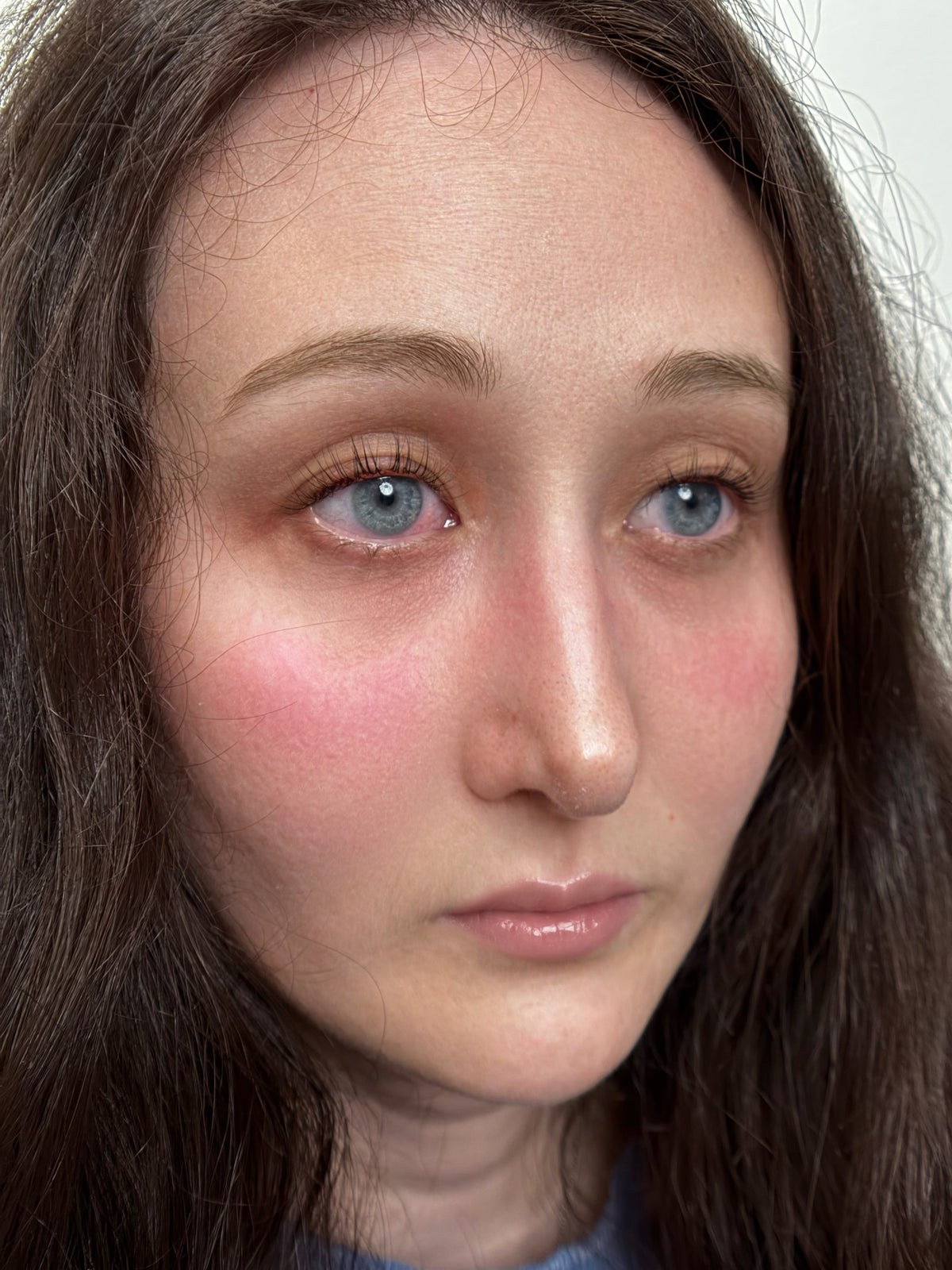
Traditional lift versus Korean lift
A traditional lift generally relies on a thioglycolate-based formula. Solution is applied to part of the lash rather than root to tip, and adhesive is used in the first and second steps to hold the shield and the lash in place.
The Korean method shifts emphasis: gentler formulas intended to protect lash integrity, processing from root to tip, glueless application or adhesive balms, and flat shields during step one. The intent is a softer, more natural bend with less stress on the hair.
The honest verdict
Beautiful results are achievable with both. The Korean method is better understood as a different route to a similar destination than as a replacement for what artists already know. Strictly speaking, the label describes technique built around products manufactured in Korea; everyday usage has stretched it to cover almost any gentle, root-to-tip protocol.
The practical difference clients feel is in lash condition at the end of the cycle. A properly processed thioglycolate lift and a well-executed root-to-tip lift should both leave the hair smooth, evenly curled and ready for the next appointment. Where lifts go wrong is usually over-processing on fine lashes, whichever chemistry is used.
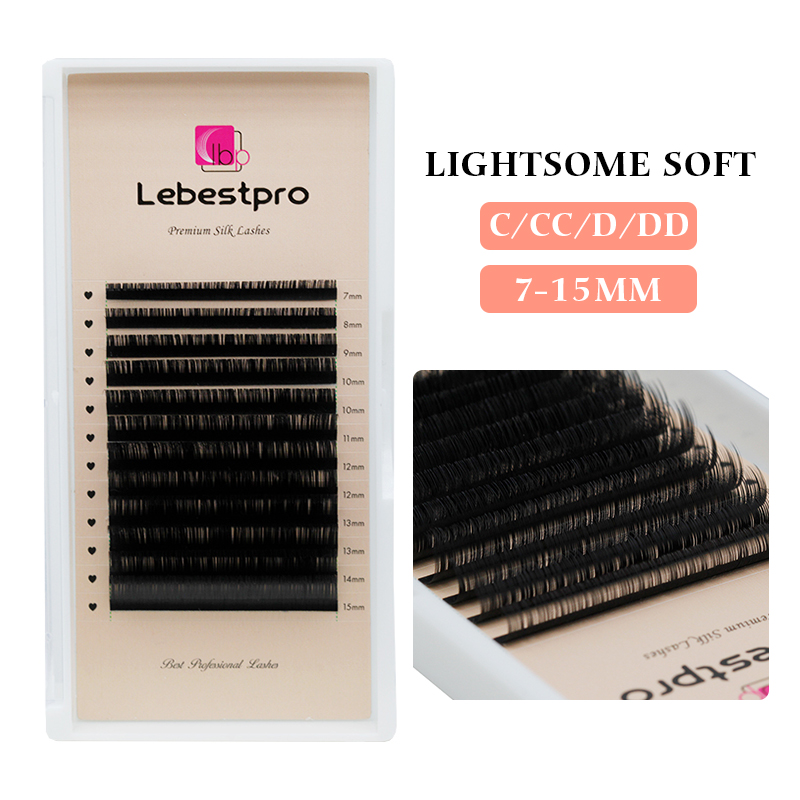
What about all the new products?
pH balancers, restoring buffers and thickening powders arrived with the trend, but none of them are exclusive to it. They are tools. An artist can add a buffer or a powder without rebranding an entire service menu.
The useful discipline is testing: change one variable, observe retention and lash condition over four weeks, and keep whatever works for your client base.
Making the process less intimidating
The first Korean lift usually feels like a longer protocol with more steps. In practice the differences are small once each product’s role is clear — what opens the cuticle, what holds the shape, what rebuilds the bond.
Clients judge three things: the bend, the condition of their lashes at the four-week mark, and how regrowth looks. Both methods can deliver on all three when shield choice and processing time are matched to lash strength rather than copied from a tutorial.
For salons adding lift services, LebestPro supplies lift kits, shields and aftercare alongside its extension ranges, so lift and extension clients can be served from a single inventory.